11 New Marine Species Described Via New Rapid Description Platform
An international collaboration has identified and described 11 new marine species, establishing a new platform to accelerate the taxonomic description process. The initiative aims to speed up species identification and enhance conservation efforts.
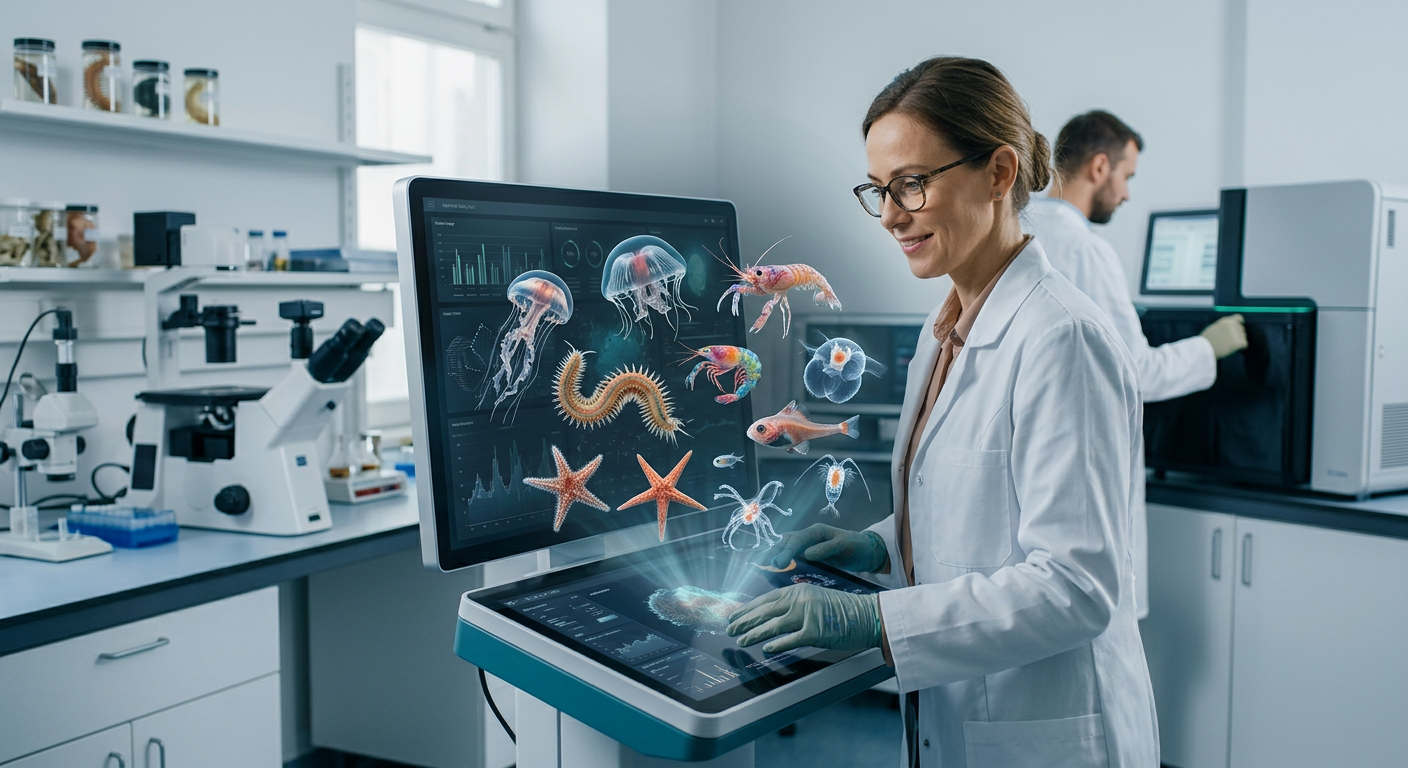
An international research initiative, Ocean Species Discoveries (OSD), coordinated by the Senckenberg Centre for Human Evolution and Palaeoenvironment, has announced the description of eleven new marine species. The project also established a new platform designed to significantly speed up the process of cataloging and publishing newly found marine life.
The OSD platform brings together twenty-five researchers from ten countries, aiming to overcome the decades-long delays often associated with scientific species descriptions. This effort is critical as global changes threaten marine biodiversity, with only a fraction of estimated marine species currently named. The new platform facilitates a quicker, yet thorough, taxonomic description of marine invertebrate taxa.
Published in the Biodiversity Data Journal, the findings include new species such as deep-sea chitons found on methane seeps and limpets from hydrothermal vents. The consolidated approach, grouping multiple descriptions into one publication, is intended to incentivize researchers and accelerate the dissemination of scientific knowledge. This includes the description of one new genus and eight new species, alongside one redescription.
Several of the newly described species inhabit environments vulnerable to human activities, such as deep-sea mining. The ability to formally describe and name these species is crucial for their potential protection. The Senckenberg Centre aims to leverage global expertise to document the ocean's unknown biodiversity before it is lost.