2008 Economic Crisis Reshaped US Energy Landscape
The 2008 economic crisis significantly altered the United States' approach to energy consumption and policy, shifting focus toward alternative sources and energy efficiency.
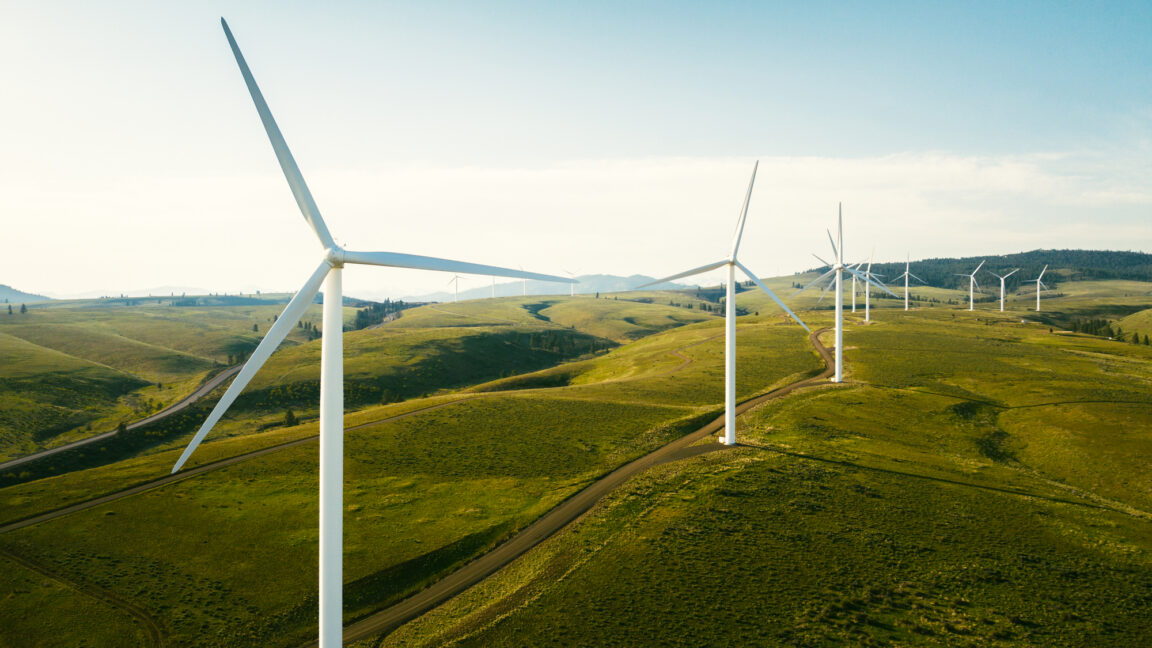
The 2008 economic crisis marked a pivotal moment in the United States' relationship with energy, prompting a reevaluation of traditional fossil fuel reliance and spurring a greater interest in alternative energy sources.
The downturn forced industries and consumers to reconsider energy expenditures, leading to increased demand for energy efficiency and a more critical look at the long-term costs associated with fossil fuels. This period saw a noticeable shift in public and governmental discourse regarding energy policy.
While fossil fuels had previously been lauded for powering economic growth, the crisis highlighted the inherent vulnerabilities and external costs of this dependency. The subsequent years have witnessed a growing emphasis on renewable energy technologies and a push for policies aimed at mitigating climate change impacts, diverging from the growth-at-all-costs mentality.
This evolving energy landscape reflects a broader understanding of the interconnectedness between economic stability, environmental sustainability, and energy security in the United States.