2026 World Cup Creates Experience Economy Opportunities for Brands
Brands are leveraging the 2026 World Cup by creating creative, community-driven, and interactive experiences that extend beyond the game itself.
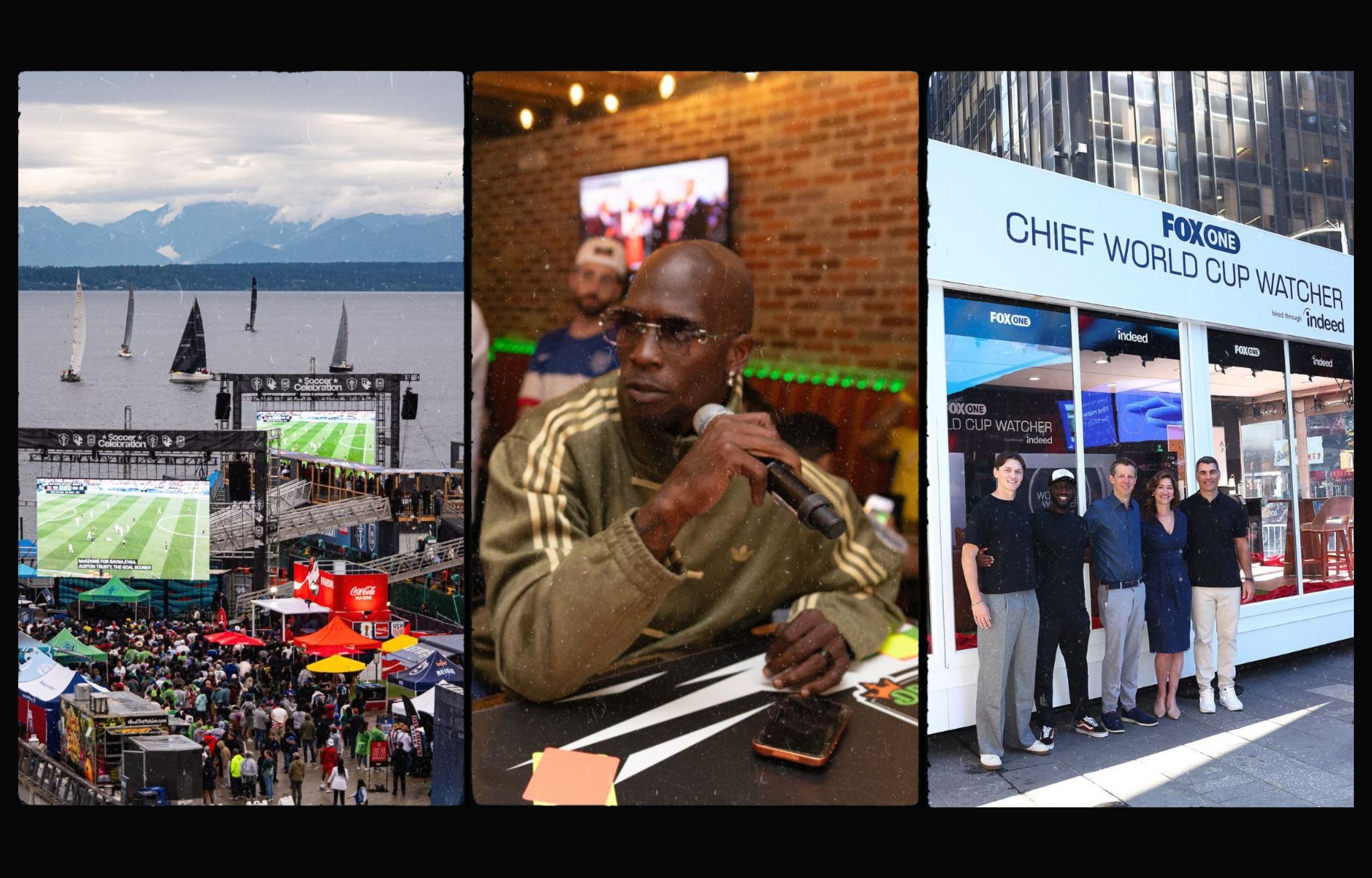
The 2026 World Cup is poised to be a significant economic opportunity for brands focusing on creating experiences around the event. Instead of solely concentrating on the on-field action, companies are competing to generate memorable moments and community-focused gatherings that draw in a wider audience.
In the United States, where soccer is not traditionally the dominant sport, the tournament's success hinges increasingly on activities beyond the pitch. For instance, FOX One is utilizing its Times Square "Cube" display to craft visually striking experiences, while Seattle features a floating soccer barge offering a unique viewing environment.
Watch parties, engaging personalities, and interactive fan events are making the sport more accessible and boosting its popularity. NFL legend Chad "Ochocinco" Johnson emphasizes that community and creativity are key to the game's U.S. growth. "You've got to be in the mix," Johnson stated. "If you're not going to a game, you've got to go somewhere where there are a lot of people watching."
Media personalities and influential figures like Thierry Henry and Zlatan Ibrahimović also play a crucial role in connecting the public to the sport. Their involvement in off-field communication and entertainment holds significant weight. Brands aim to build experiences that maintain audience engagement, even for those not exclusively watching the full 90-minute matches.
The 2026 World Cup is expected to serve as a major economic driver, capitalizing on the growth of the experience economy. Companies' investments in creative and community-oriented events are transforming the tournament into a cultural phenomenon that reaches beyond the stadiums and attracts new fan bases to soccer.