2026 World Cup: Identifying Early Winners and Losers
An early analysis of the 2026 World Cup identifies key winners and losers beyond the pitch, impacting culture and business from the White House to Waffle House.
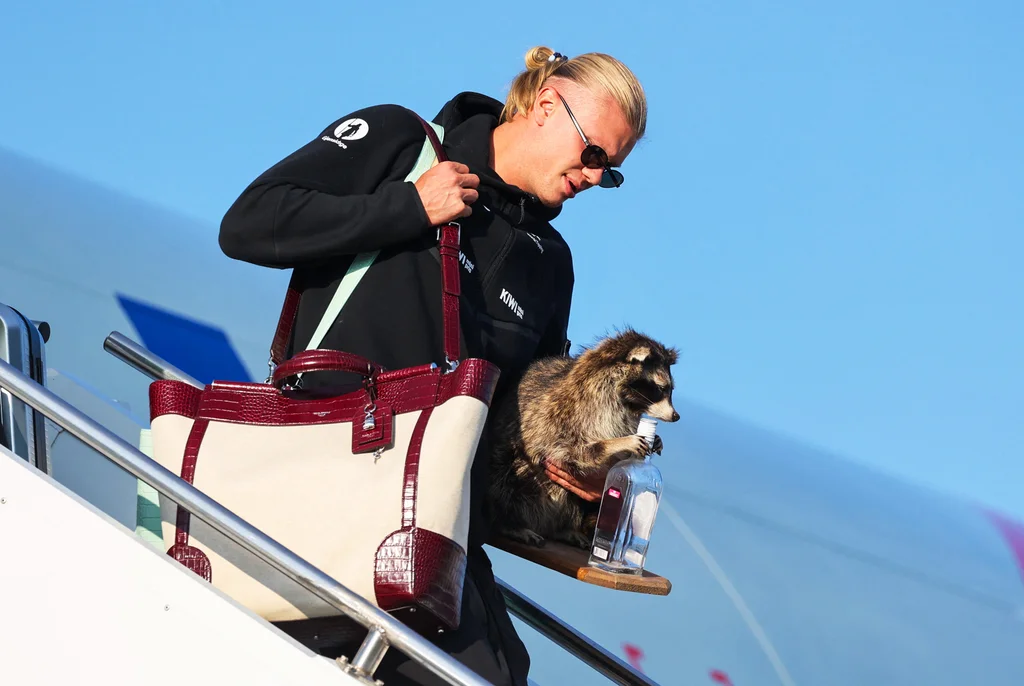
Even before the final whistle blows for the 2026 World Cup, the tournament has yielded clear winners and losers, extending beyond the football field into culture and business. This analysis highlights impacts ranging from governmental relations to popular dining establishments.
Norway emerged as a notable winner, largely due to star player Erling Haaland. Haaland captivated audiences both on the field, leading his team to their first-ever quarterfinal appearance, and off it with his unique public persona. The Norwegian fans also gained positive attention for their synchronized "Viking Row" cheer and even their team's jersey font.
American brands such as Waffle House, Bass Pro Shops, and Buc-ee's experienced an unexpected boost. International visitors and influencers praised these "Americana" brands, positively impacting their global image. Media coverage amplified these experiences, further solidifying the brands' appeal as symbols of mainstream America.
Conversely, the White House faced criticism for its handling of the World Cup. The U.S. government's official stance was perceived as unwelcoming, with issues such as denying lodging to the Iranian team and barring a Somali referee. The president's intervention in a controversial player card incident was seen as particularly unseemly and may have inadvertently aided Belgium's subsequent victory over the U.S.
The Video Assistant Referee (VAR) technology also proved to be a significant loser. Intended to resolve contentious calls, VAR instead increased controversy and fan frustration. Decisions were overturned, penalties rescinded, and even precision-based offside calls from ball sensors led to disputes. Many teams and fans blamed VAR for losses and disruptions to the game's flow.