25 Years After 9/11: Building Security Technology Has Not Kept Pace
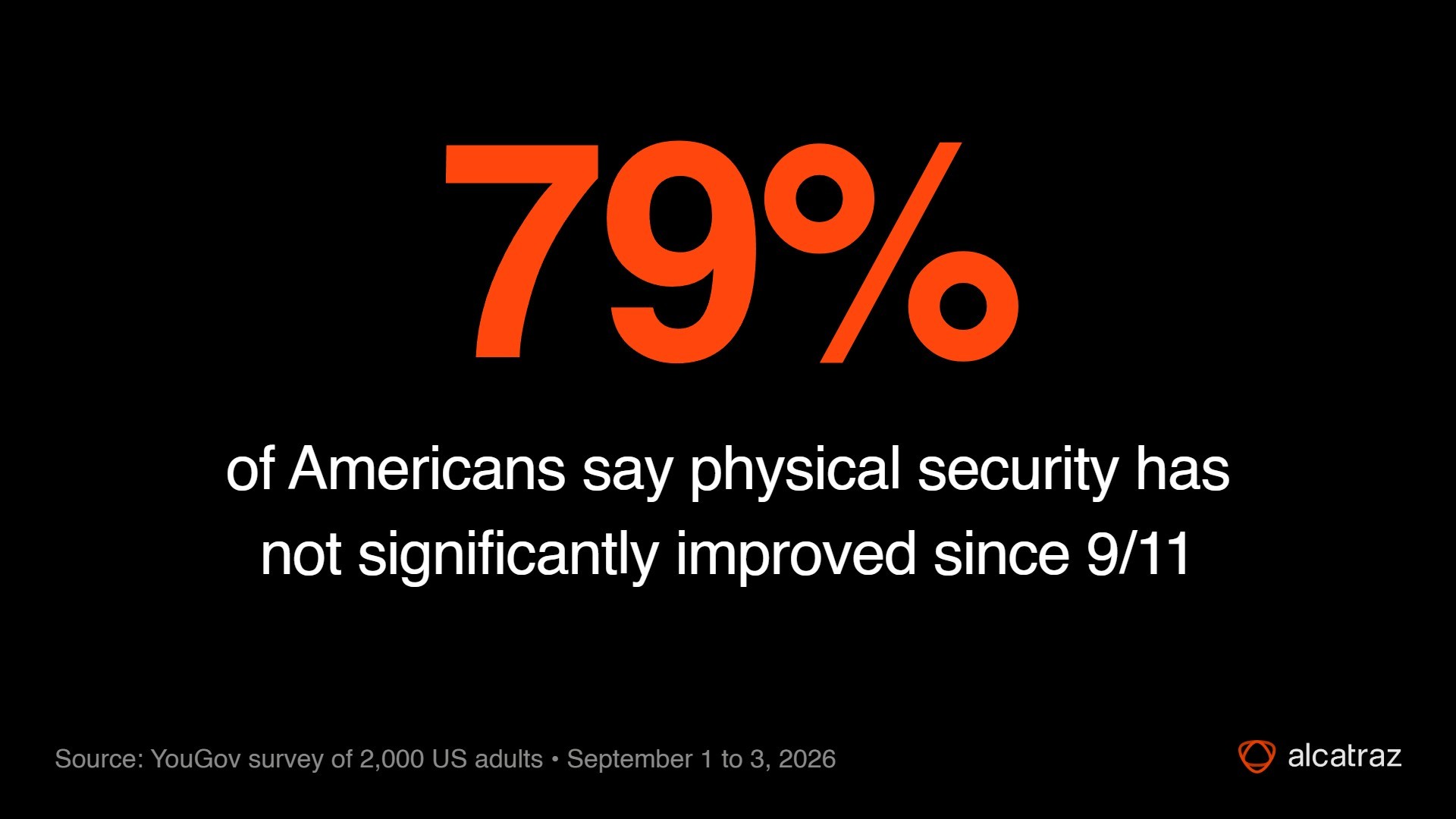
New national survey finds 79% of Americans do not believe physical security in buildings has significantly improved since 9/11.
Twenty-five years after the September 11 attacks reshaped aviation security in the United States, a new national survey reveals a significant public perception that physical security in buildings has not kept pace.
The survey found that 79 percent of Americans do not believe that physical security measures within buildings have substantially improved since the terrorist attacks of September 11, 2001. This suggests that despite years of investment and technological advancements, the general public feels that protection against threats has not evolved to meet the risks identified in prior decades.
The study, which surveyed 1,000 American adults, raises questions about how building security standards and technologies have been updated to address contemporary threats. While security protocols in air travel were dramatically tightened following the attacks, a similar comprehensive enhancement does not appear to be widely perceived across other public and private spaces.
This widespread skepticism may stem from the discreet nature of many security measures or a perception that they are insufficient to counter identified risks. The survey aimed to gauge public sentiment and observations regarding building security status two and a half decades after the tragedy.