Abbott details role of left ventricular assist devices in heart failure treatment
Abbott has released clinical and operational information regarding the use of left ventricular assist devices (LVADs) for patients with advanced heart failure.
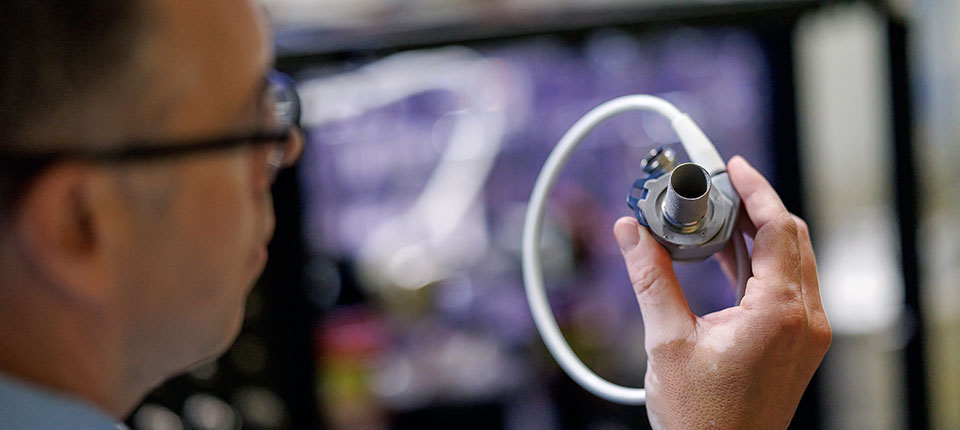
A left ventricular assist device (LVAD) acts as a mechanical pump for patients suffering from advanced heart failure, helping the left ventricle circulate blood throughout the body. The device is primarily utilized for patients awaiting heart transplants or those needing long-term mechanical circulatory support.
The system includes an internal pump, an external controller, and batteries. Clinical data from the MOMENTUM 3 study regarding Abbott’s HeartMate 3 device indicates that nearly 60% of recipients remain alive five years post-implantation, with some patients surviving over seven years. While these devices can restore physical mobility, they do not replace the function of a healthy heart and require strict maintenance to prevent complications.
Medical risks associated with LVAD therapy include stroke, thrombosis, and infection at the driveline insertion site. Candidates must undergo rigorous evaluation to determine suitability. Following surgery, patients require multi-week recovery periods and ongoing monitoring by cardiovascular care teams, with specific lifestyle adjustments including a prohibition on activities like swimming.