Abbott Provides Guidance on BinaxNOW Home Test Use
Abbott Laboratories has released a video guide and FAQ for the at-home use of its BinaxNOW COVID-19 antigen self-test. The guidance aims to clarify the testing process and result interpretation.
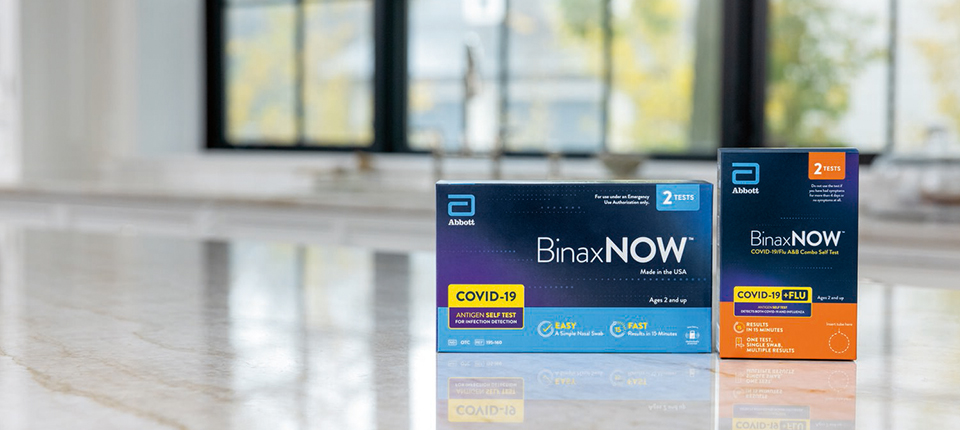
Abbott Laboratories has issued comprehensive guidance for the at-home use of its BinaxNOW COVID-19 antigen self-test, including a step-by-step video tutorial and a detailed frequently asked questions (FAQ) section. The company aims to help consumers perform the test with confidence and interpret results accurately, particularly as COVID-19 safety measures evolve.
The BinaxNOW tests are presented by Abbott as a tool to provide confidence for community engagement as other COVID-19 safety measures decrease. The company suggests testing before and after events, school, work, or social gatherings, especially to protect vulnerable loved ones. The self-test is described as straightforward, involving a lower nasal swab with all necessary components included in the kit.
The test is indicated for individuals aged 15 and older, and for children as young as 2 years old when an adult collects the sample. It can be used by both symptomatic and asymptomatic individuals. Abbott emphasizes that testing remains an essential part of the COVID-19 strategy alongside vaccination, given the unknowns regarding vaccine immunity duration and evolving virus variants.
Each package contains two tests. Abbott also clarifies the recommended intervals between tests. If a test result is positive, no further testing is needed. For negative results within seven days of symptom onset, retesting is advised at least 48 hours later. For asymptomatic negative results, two additional tests with similar intervals are recommended.
The manufacturer has also provided information on test disposal and storage. Packaging materials are recyclable, but the test card, swab, and solution should be disposed of with common household waste. The tests are designed to tolerate short-term temperature deviations, but should be kept within the recommended storage range for optimal performance. Abbott also notes that expiration dates for the tests have been extended by the U.S. FDA, with specific details available on the FDA's website.