Abbott Receives FDA Approval for New Parkinson's Device with Remote Capabilities
Abbott Laboratories announced FDA approval for its Liberta RC Deep Brain Stimulation (DBS) system, designed for patients with movement disorders like Parkinson's disease. The device is noted as the smallest rechargeable DBS IPG with remote programming capabilities currently available.
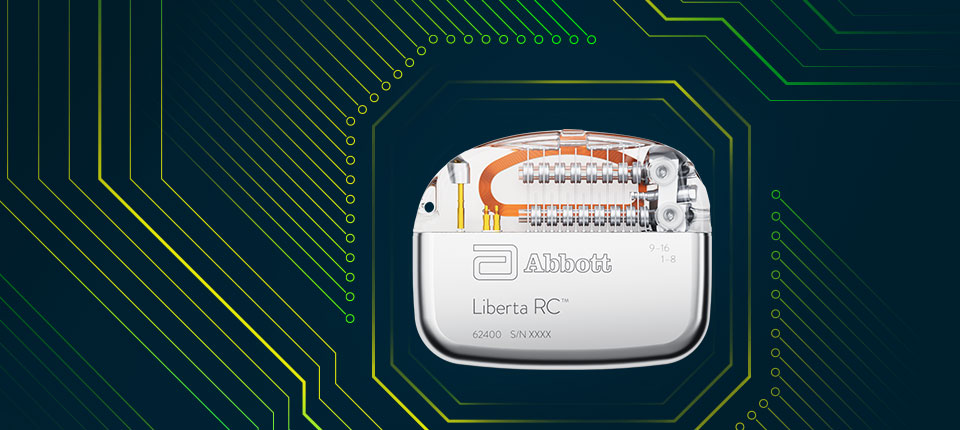
Abbott Laboratories has received approval from the U.S. Food and Drug Administration (FDA) for its Liberta RC Deep Brain Stimulation (DBS) system. This device is intended to treat movement disorders, including Parkinson's disease and essential tremor.
The Liberta RC system is characterized as the smallest rechargeable DBS implantable pulse generator (IPG) on the market that offers remote programming capabilities. This allows for wireless adjustment of the electrical stimulation delivered to the brain after implantation, potentially reducing the need for in-person clinic visits for therapy adjustments. This functionality is integrated with Abbott's NeuroSphere Virtual Clinic technology.
Beyond its size and connectivity, the system features a rechargeable battery designed for extended performance. Abbott states the battery can last up to 37 days on nominal settings, requiring recharging approximately 10 times annually. This aims to minimize disruptions for patients undergoing treatment.
DBS therapy works by delivering electrical impulses to specific areas of the brain via implanted electrodes. The therapy is designed to interrupt abnormal brain signals that cause symptoms such as tremor, rigidity, and slowness of movement, particularly when medication is insufficient.
Abbott Laboratories positions the Liberta RC DBS system as a significant advancement for individuals with movement disorders, combining its compact design, long battery life, and remote therapy adjustments to improve patient care and quality of life.