Acetaminophen Linked to Significant Rise in Liver Injuries, Study Finds
A new study reveals a 400% increase in liver injuries linked to foreign substances over the past 25 years. Acetaminophen, commonly found in pain relievers like Tylenol, emerged as the leading cause, surpassing alcohol.
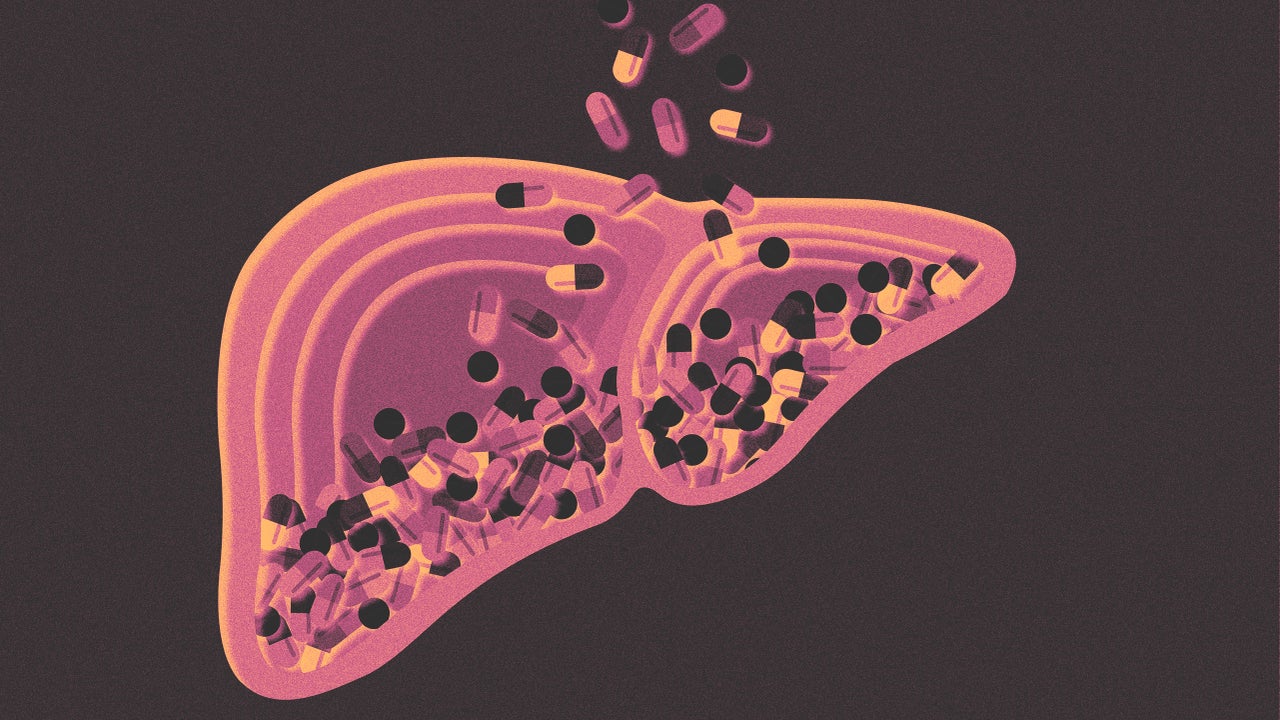
A significant surge in liver injuries associated with foreign substances, including medications and other ingestible products, has been documented over the last 25 years, according to a new study. Researchers found a 400% increase in such cases, with acetaminophen, the active ingredient in widely available pain relievers like Tylenol, identified as the primary contributor. This trend marks a shift from alcohol, historically a common cause of liver damage.
The study, led by Dr. Christopher P. Holstege at the University of Virginia Health's Blue Ridge Poison Center, analyzed data on 220,160 cases of liver injury caused by "xenobiotics"—substances not naturally found in the body. The incidence rate of liver injury from these substances climbed from 11 to 53 cases per million people. A substantial majority of patients experiencing drug-induced liver damage required hospitalization, with rates at 85% for men and 94% for women.
The mechanism behind acetaminophen-induced liver damage involves its metabolism. A small fraction of acetaminophen is converted into a toxic byproduct called NAPQI. The liver typically neutralizes NAPQI using glutathione. However, excessive intake of acetaminophen can deplete the liver's glutathione supply, allowing NAPQI to accumulate and cause cellular damage. Symptoms can range from abdominal pain and nausea to severe complications like liver failure, particularly when individuals unknowingly take multiple acetaminophen-containing medications.
Acetaminophen is present in hundreds of products, including common over-the-counter pain relievers and cold medicines. Consumers may inadvertently overdose by combining various products without realizing they all contain the same active ingredient. The risk is heightened when taken on an empty stomach. Individuals with pre-existing liver conditions or those who consume alcohol regularly are at increased risk.
In 2011, the U.S. Food and Drug Administration (FDA) recommended against dispensing combination prescription products containing more than 325 mg of acetaminophen. Following this guideline, cases involving acetaminophen-containing drugs reportedly decreased by 85%, the study noted. Healthcare professionals continue to advise consumers to carefully check medication labels to avoid accidental overdose.