ADAC: Fuel Prices Remain High in Germany Amid Rising Oil Costs
Fuel prices in Germany remain elevated despite a tax reduction, with geopolitical tensions causing crude oil prices to rise and potentially pushing pump prices higher.
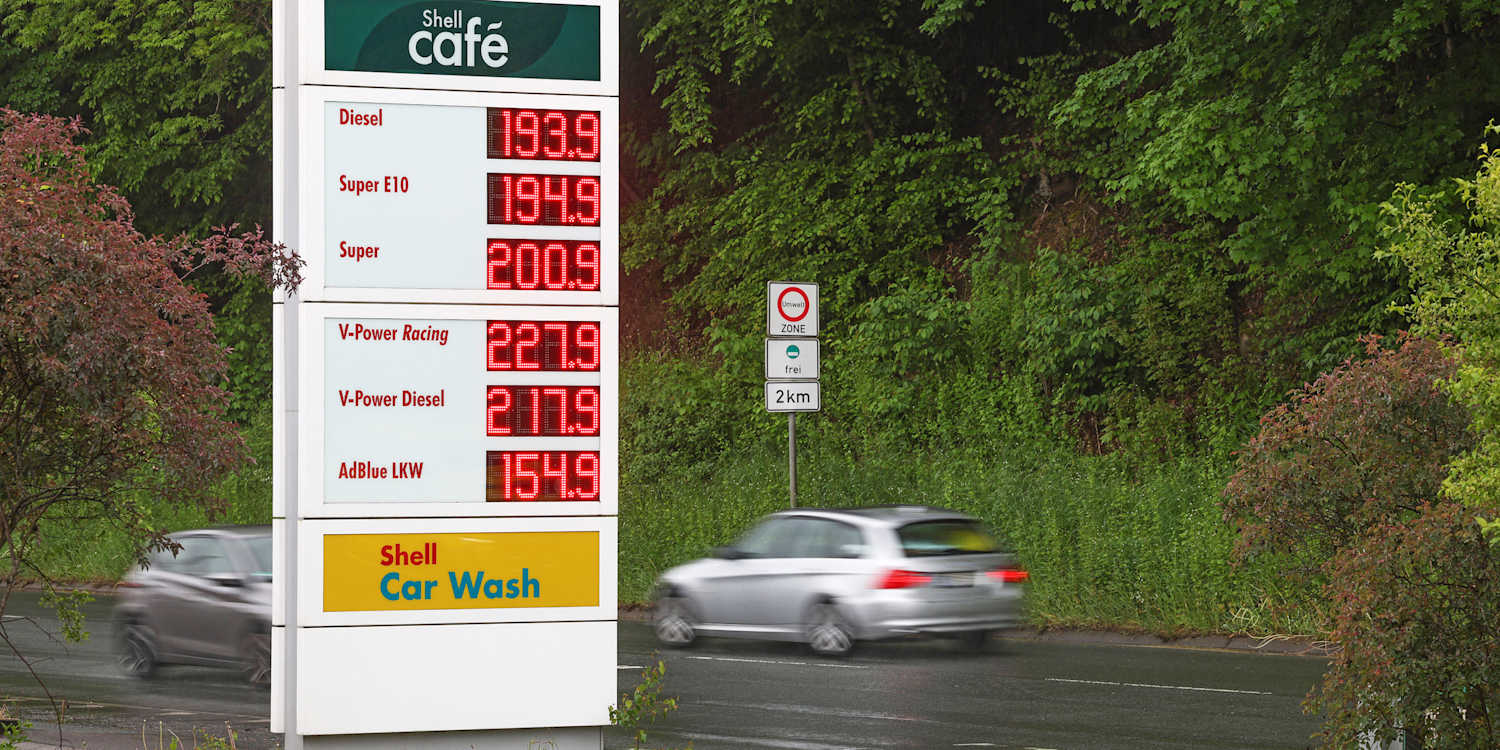
Berlin – Fuel prices for gasoline and diesel in Germany remain high, even with a tax reduction on fuel that has been in effect since May. The German automobile club ADAC reported that ongoing geopolitical tensions in the Middle East have caused crude oil prices to increase, raising concerns about potential further hikes at the pump.
On Sunday, June 7, a liter of Super E10 gasoline averaged 1.906 euros and a liter of diesel averaged 1.892 euros across Germany. Both fuel types showed a slightly downward trend in the preceding three days, remaining below the two-euro mark. Diesel has consistently been cheaper than Super E10 since mid-May.
However, the situation is volatile. A recent escalation of tensions in the Middle East has already led to a significant rise in crude oil prices. Brent crude oil cost approximately $97 per barrel on the morning of June 8, a four percent increase from the previous week. ADAC anticipates that this will likely translate into higher fuel prices for consumers soon.
ADAC has also criticized the speed at which price decreases are passed on to consumers. According to the organization's analyses, current fuel prices should be even lower given the recent significant drop in crude oil prices over the past two weeks. The tax reduction, a decrease in energy tax by approximately 14 percent (amounting to about 17 cents gross per liter including VAT), appears to have had a partial effect, but prices remain high.
Decisions regarding a potential extension of the tax relief, currently set to expire at the end of June, are expected by mid-June. ADAC has also questioned the effectiveness of a regulation implemented on April 1, which limits price increases to once daily, suggesting it may hinder price reductions.