ADAC warns of scams impersonating organization
The German automobile club ADAC is cautioning the public about an increase in fraudulent activities. Scammers are sending fake emails and making calls, falsely claiming to be ADAC representatives to trick individuals.
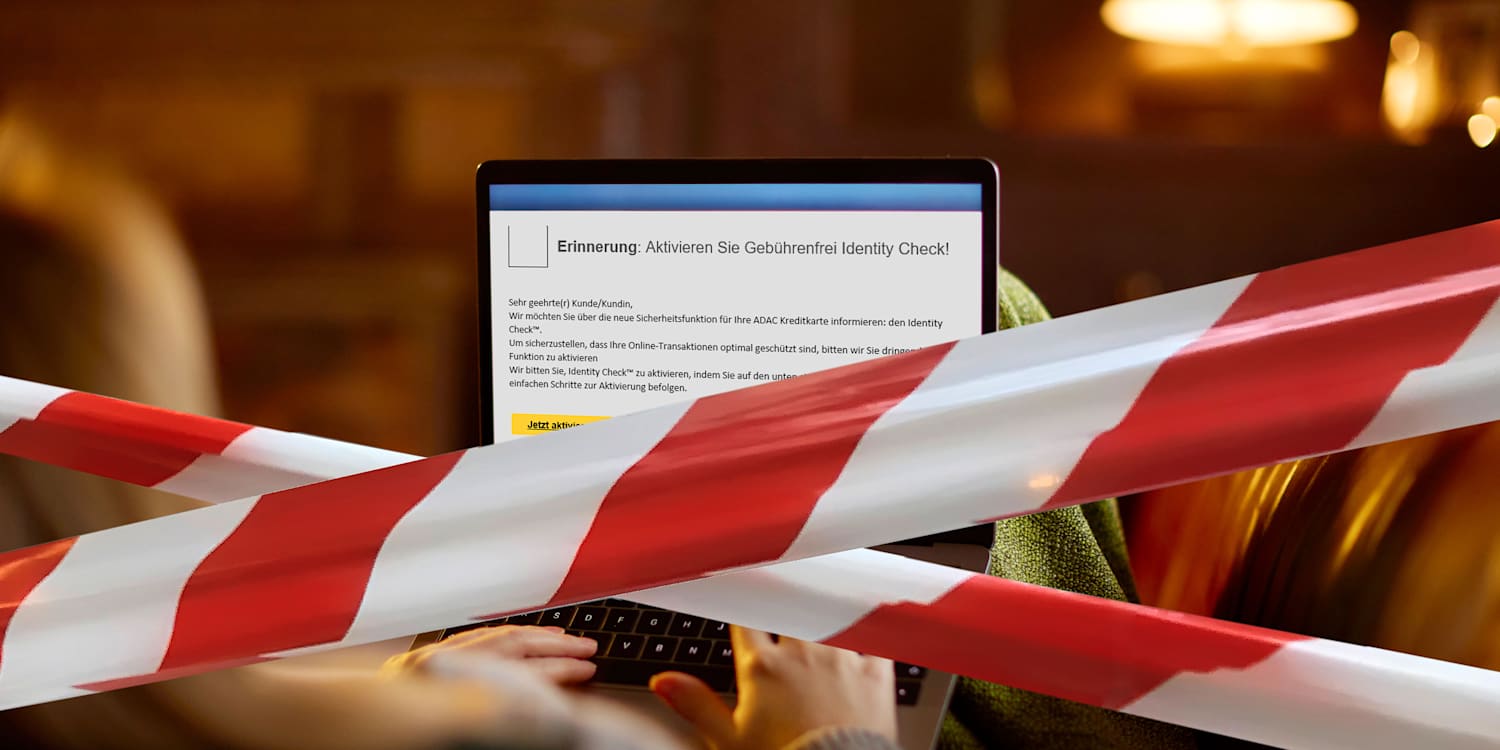
ADAC, Germany's largest automobile association, is issuing a warning about recurring scam attempts that exploit the organization's reputable image. Fraudsters are sending phishing emails and making calls, posing as ADAC employees with the intent to steal members' personal and financial information.
The organization emphasizes that ADAC never urges members to take immediate action via email, nor does it contact them to sell memberships or announce winnings. ADAC urges its members to remain vigilant and verify the authenticity of all communications. Deceptive messages often include links designed to install malware or direct users to phishing sites to harvest sensitive data.
Key indicators of fake messages include suspicious sender email addresses, a lack of personalized greetings, links not leading to an official ADAC domain (e.g., "adac.de"), and a sense of urgency. ADAC clarifies that perpetrators do not obtain data from internal leaks but rather from previously compromised personal information circulating online.
If a suspicious message is received, ADAC advises not to click any links and to delete the email immediately. If a link has been clicked accidentally, it is recommended to change passwords promptly, update antivirus software and perform a scan, and contact a bank to block affected cards if necessary. ADAC provides information on its website regarding current scam tactics, such as fake discount offers or payment demands, to help individuals identify and avoid them.