ADHD Research Suggests Link to Body's Internal Clock
New research indicates that sleep and circadian rhythm disturbances may be integral to ADHD, not just consequences. This could shift the understanding and diagnosis of the disorder.
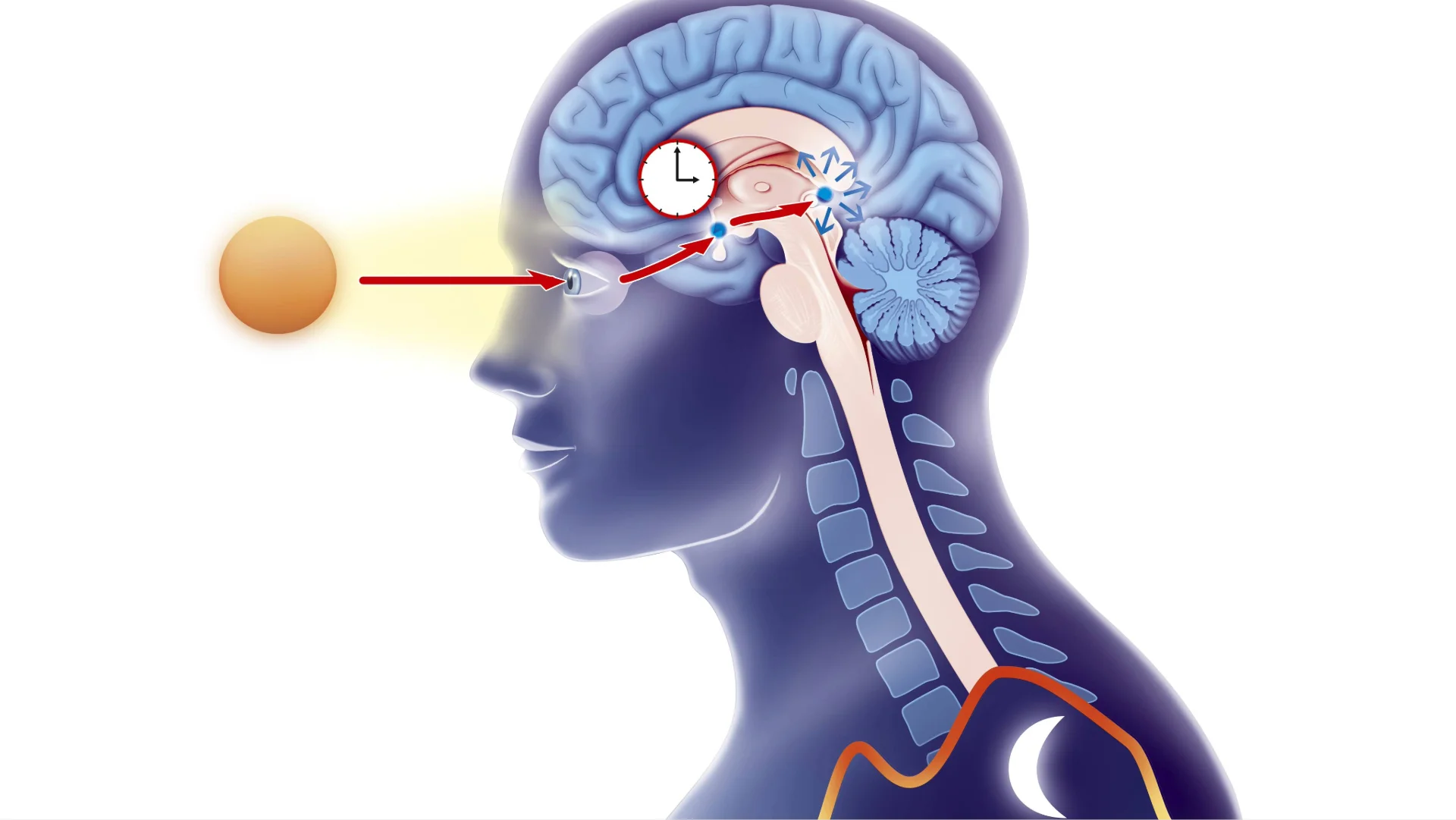
Scientists are exploring a new theory suggesting that attention-deficit/hyperactivity disorder (ADHD) may be linked to irregularities in the body's internal clock. Specifically, disruptions to the circadian rhythm are being considered as a potential component of ADHD itself, rather than solely a consequence.
A review paper published in Frontiers in Psychiatry found that insomnia and other sleep disturbances affect up to 80 percent of adults with ADHD and as many as 82 percent of children with the disorder. However, the researchers stop short of arguing for ADHD to be reclassified as a sleep disorder.
Instead, they contend that problems with the body's internal clock are so prevalent among ADHD patients that they warrant closer attention from researchers and clinicians. The review examined numerous studies looking at biological markers associated with the body's daily rhythms.
Evidence cited includes findings that melatonin production and cortisol cycles are often delayed in individuals with ADHD. The authors recommend that clinicians pay increased attention to sleep and circadian rhythm issues when evaluating patients diagnosed with ADHD.