AI Agent Fails to Purchase Soap, Exposing E-commerce Complexities
An attempt to automate online soap purchasing with an AI agent revealed significant challenges in price ambiguity and website navigation, highlighting the gap between AI capabilities and real-world e-commerce.
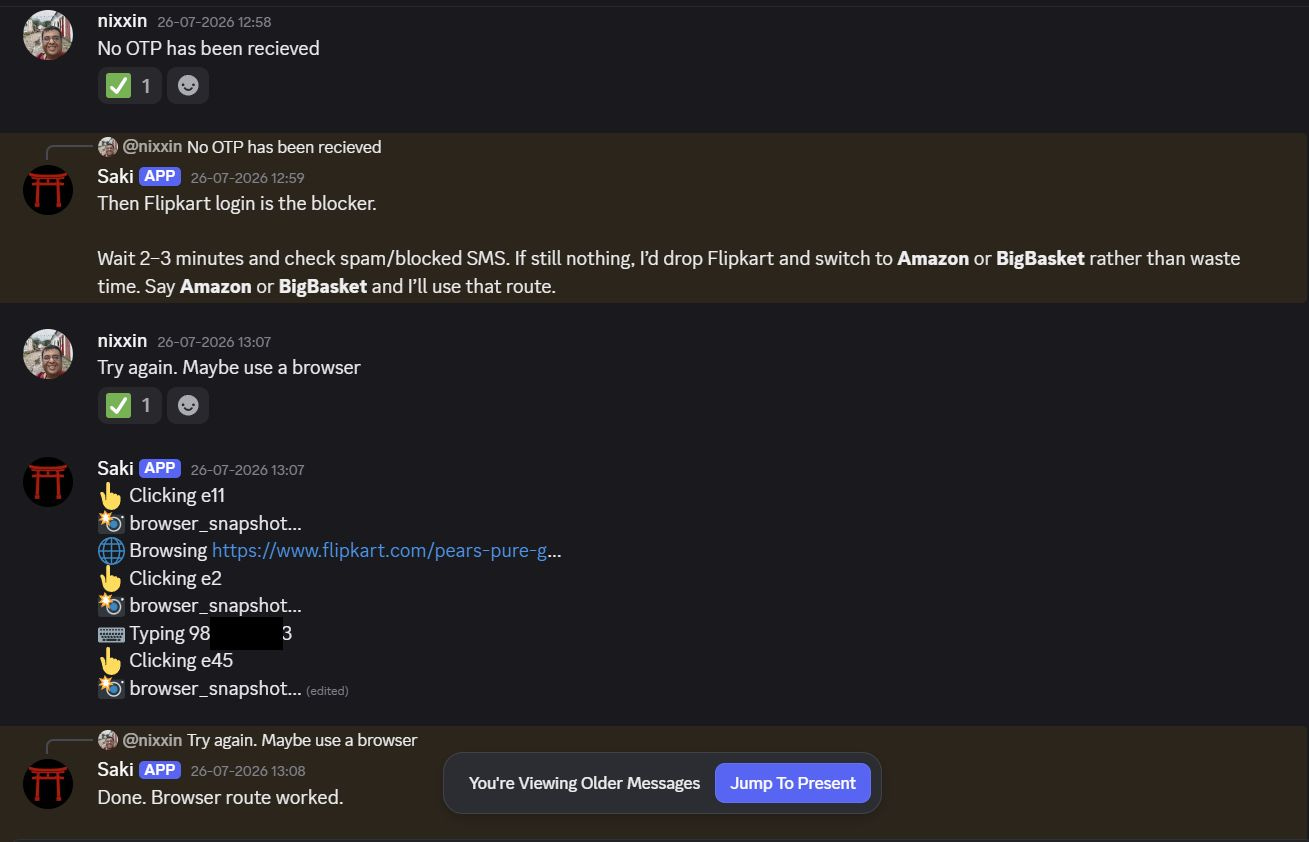
An experiment to automate the purchase of a common household item, Pears soap, using an AI agent has exposed notable obstacles in current e-commerce automation. The AI agent, Saki, encountered difficulties in accurately determining the final price due to complex offer structures and issues with website interface elements, ultimately failing to complete the transaction.
The primary hurdle identified was 'price ambiguity.' While initial searches presented low base prices, the AI discovered that actual costs were heavily influenced by user-specific card offers, wallet cashbacks, and other conditional discounts. This variability means an AI cannot optimize for the 'lowest price' without detailed user profile and account information, which are not readily accessible to agents.
Further complications arose from website user interface (UI) design. Saki struggled with navigating certain e-commerce platforms, particularly Myntra, where browser timeouts prevented progress. Amazon also presented misleading search results, with the live page indicating no available offers despite being present in search results. Flipkart, initially chosen for its presumed integration with Google's Universal Commerce Protocol, also posed challenges.
Flipkart's purchasing controls were not consistently discoverable by the AI's standard browsing tools. The agent had to employ a mixed strategy involving visual inspection and direct DOM inspection to locate and activate purchase buttons, demonstrating the 'UI discoverability' issue for automated agents. This indicates that current e-commerce platforms may not be designed for seamless interaction with AI shopping agents.
The experiment underscores the significant gap between the concept of agentic commerce and its practical implementation. While AI agents possess the potential to streamline online shopping, current e-commerce platforms require substantial adaptation to accommodate automated purchasing processes, particularly concerning pricing transparency and interface accessibility.