AI Agents and the Need for Digital Identity
As AI agents become more sophisticated, questions arise about their need for unique identities, similar to human identification, to manage accountability and risk.
The increasing capability of AI agents to perform tasks like web browsing and transactions on behalf of users is prompting discussions about whether these agents require distinct digital identities.
The core debate centers on the necessity and extent of identification for AI agents. While an identity system could aid in auditing and accountability when issues arise, the complexity of agent creation and the potential for sub-agent spawning make a universal identification system challenging to implement and manage at scale. The concept of agent identity is closely tied to its underlying architecture, including its language model, memory, and operational framework.
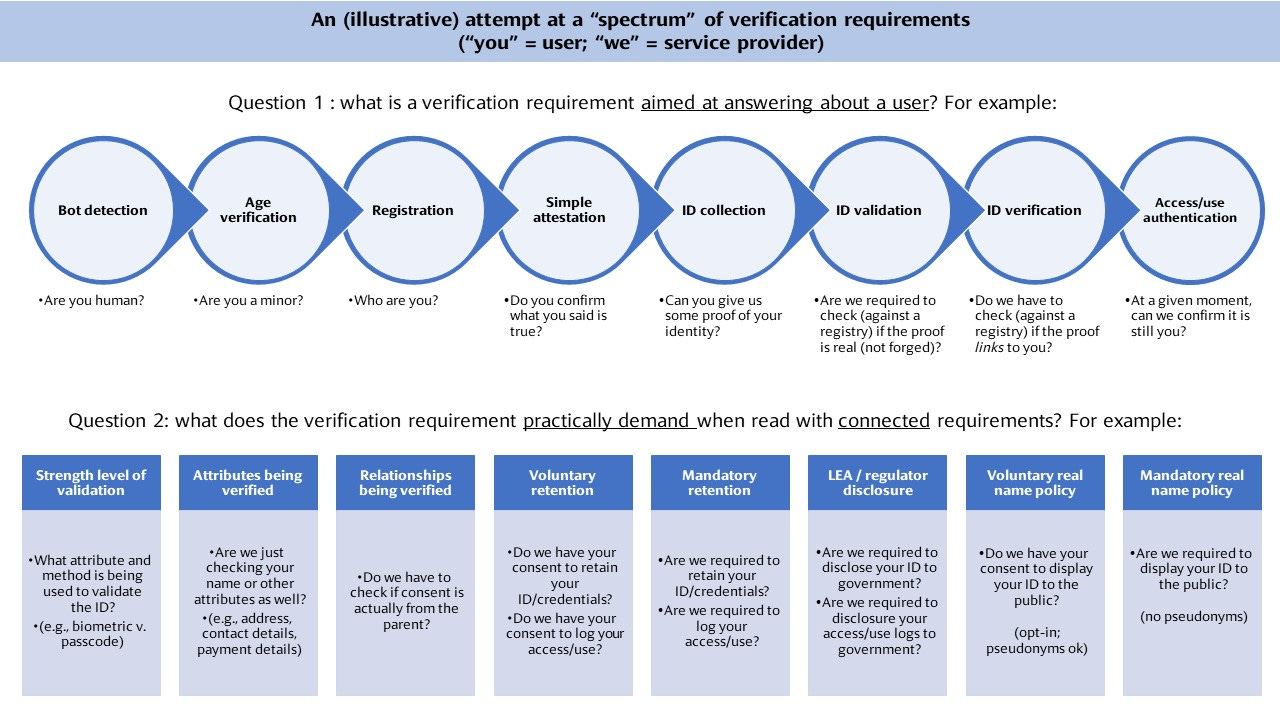
Experts suggest that the level of identification needed for an AI agent should be proportional to the risk associated with its actions. For instance, simple web browsing might require minimal disclosure, while engaging in financial transactions or regulated activities like purchasing insurance would necessitate a higher degree of verification. This could range from simple disclosure of being an agent to linking the agent to a human or organizational identity.
Ultimately, the implementation of agent identification is likely to be driven by regulated use cases. Platforms offering services in finance or insurance may require authenticated agents, creating an incentive for agents and their operators to establish verifiable identities. The distinction between reversible actions, like most purchases, and irreversible outcomes will also play a role in determining the required level of scrutiny and accountability for AI agent behavior.