AI amplifies existing leadership patterns, not transforms them
A new analysis argues that AI tools do not transform leadership methods but rather highlight and accelerate existing patterns. Companies must understand their own operational methods before implementing AI.
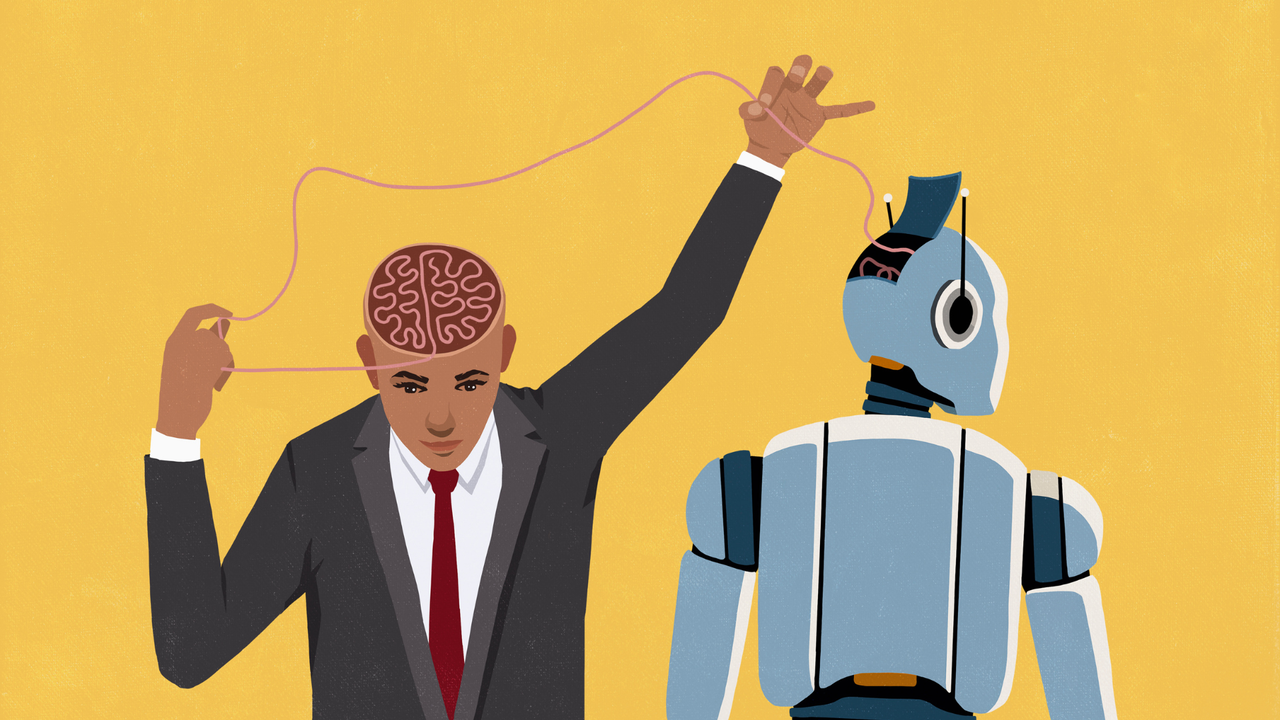
Artificial intelligence tools do not fundamentally change leadership methods but instead amplify and accelerate existing patterns, according to a recent analysis. The technology acts as a rapid and unforgiving amplifier of what is already present in a company's and its leaders' "source code" – their automatic patterns of behavior, values, and reactions under pressure.
The analysis draws on an observation where two different leaders within the same company utilized the same AI tool. One leader, facing a stalled project, used AI to downplay issues, resulting in a report that made the situation appear under control. The other leader employed the tool to expedite complex decision-making, leveraging its ability to process information efficiently.
Any technology adopted by a company plugs into this underlying "source code" and runs on it. Teams learn a leader's "source code" by observing what is rewarded and what is punished, and then build the organization's real system around it.
Before adopting new AI solutions, it is crucial for leaders to identify and refine their own "source code." This involves understanding how uncertainty is processed, how pressure is managed, and what is unconsciously rewarded or avoided. Tests such as the "empty room test" (how decision speed is affected by a leader's absence), the "bad news test" (whether problems are named or circumvented), and the "early warning test" (when issues are detected) can help assess these hidden patterns.
While the pressure to adopt AI is significant, the foundation for successful implementation lies in a healthy, trust-based organizational culture where information flows freely. Companies should prioritize strengthening the core of their leadership systems before making major technology investments, as suggested by Elaine Mak, CEO of Elaine Mak & Co.