AI and Microscopy Combined to Study Cellular Genes
Researchers have developed a new technology, SPARCS, integrating artificial intelligence and microscopy for large-scale screening of genetically modified cells.
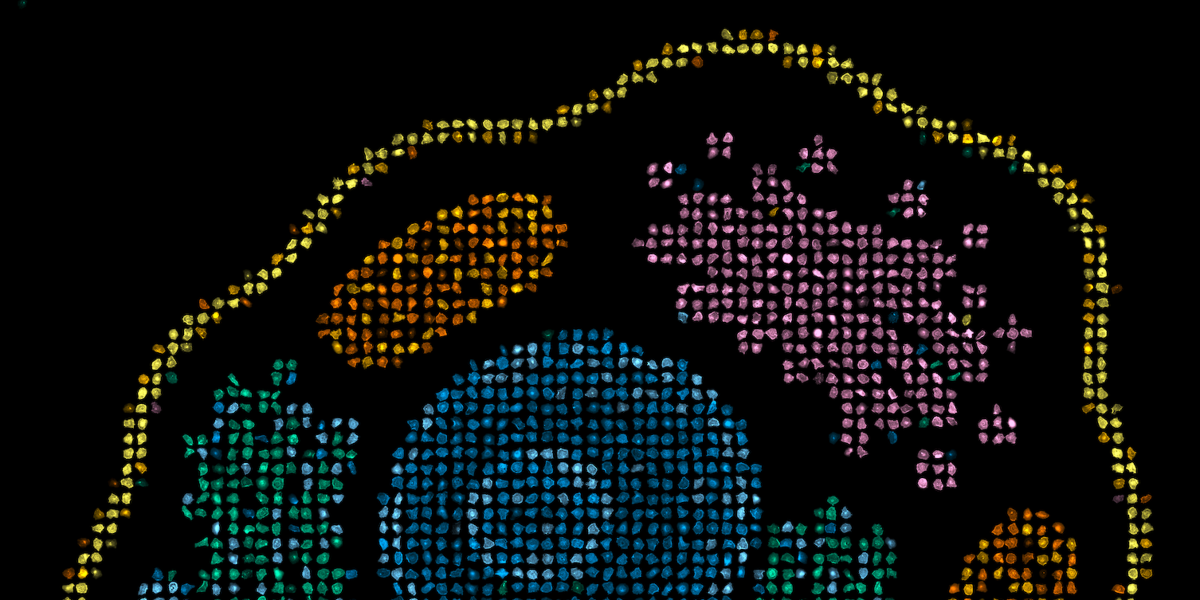
Researchers from Ludwig-Maximilians-Universität München (LMU), in collaboration with the Max Planck Institute and Helmholtz Munich, have developed a novel technology to investigate how individual genes influence cell appearance and behavior.
The technology, named SPARCS, combines artificial intelligence with microscopy and genetic screening methods. It enables the search and isolation of millions of genetically modified cells based on complex visual characteristics, allowing researchers to link cellular effects to their genetic causes.
In the study, AI analyzed 70 million cells to identify genetically induced changes, focusing on processes like autophagy, a key cellular recycling mechanism. The method identified known and new genes involved in autophagy, and also examined the immune system's STING sensor.
SPARCS offers new avenues for systematic gene investigation and biological discovery. The ability to isolate specific cells allowed for subsequent proteomic analysis via mass spectrometry, providing precise molecular characterization of genetic modification impacts.