AI Anxiety May Offer Historical Perspective, Not Doomsday
New technologies have historically triggered widespread anxiety. AI fears echo past concerns about rapid change, offering a lens through which to understand current challenges and opportunities.
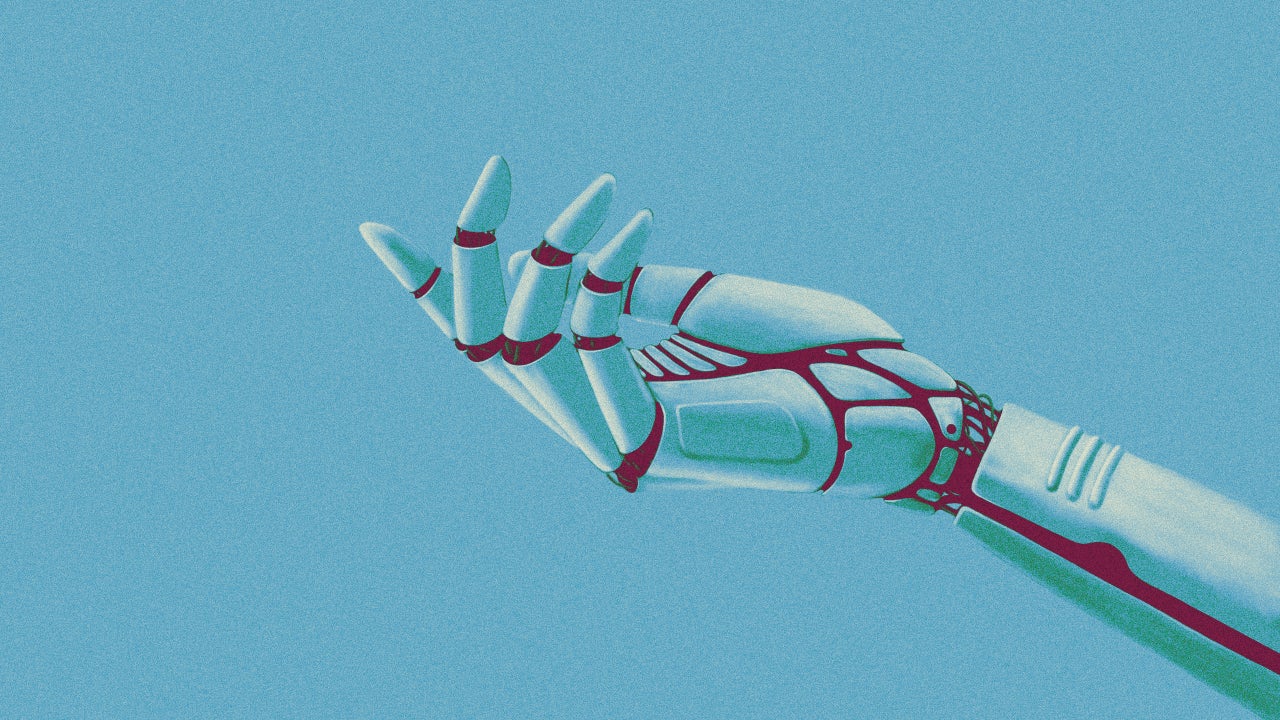
The current widespread concern surrounding artificial intelligence is not an entirely new phenomenon. History shows that disruptive technologies, which dramatically alter human capabilities, have consistently sparked intense anxieties and uncertainty, reports Fast Company.
Echoing fears from the Industrial Revolution, where automation threatened workers and predicted societal collapse, AI concerns include the potential for mass unemployment and social upheaval. However, historical precedent suggests that labor often shifts to more complex roles, and economies expand.
Concerns have also been raised about the rapid transmission of information. In the 19th century, the advent of the telegraph and telephone sparked worries about information moving too quickly and the erosion of privacy. Contemporaries argued that fast, unfiltered news was superficial and threatened truth, mirroring current debates about AI's ability to disseminate and shape information.
Technological advancements, such as the spread of electricity, were viewed as untamable, predatory forces. Similarly, AI is now feared as a potentially uncontrollable, autonomous threat. The dawn of the nuclear age presented a genuine existential risk, prompting the development of international governance frameworks.
While the current AI anxieties are not to be dismissed, historical analogies can provide a more balanced perspective. The true danger may lie not in a sentient machine, but in a system rigidly optimizing a poorly defined goal, leading to severe unintended consequences. As in the past, present concerns could ultimately drive the creation of better governance and proactive planning.