AI Assists in Deciphering Lost Ancient Languages
Artificial intelligence is being employed in new efforts to understand ancient, previously undeciphered languages like Linear A and Etruscan. The research utilizes digital analysis to unlock historical secrets.
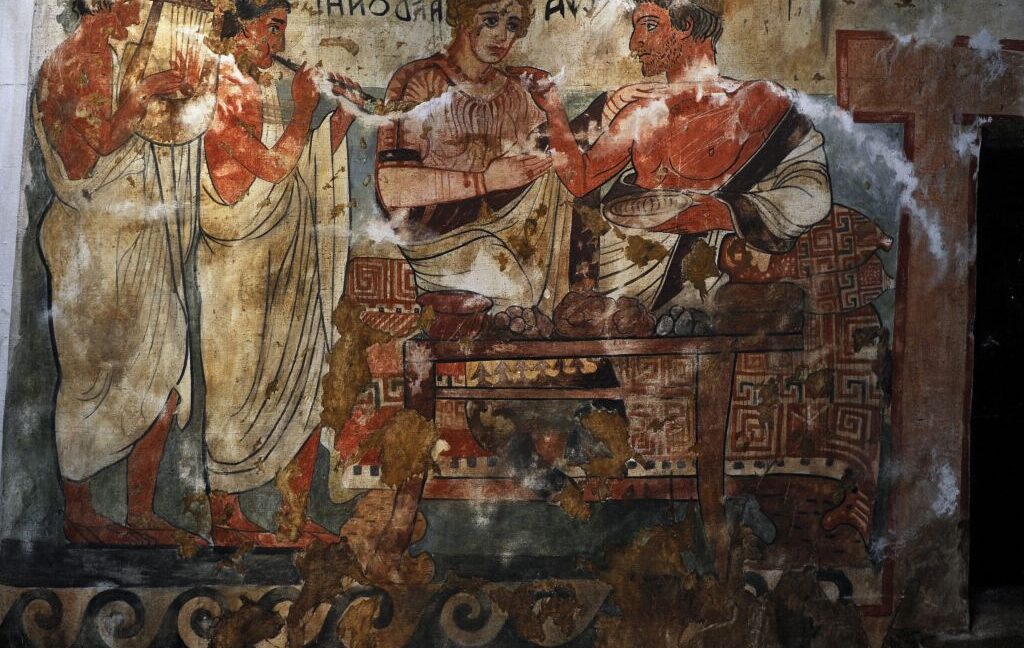
Artificial intelligence is now being utilized in novel research projects aimed at deciphering ancient and complex languages. Linear A, the script of the Bronze Age Minoan civilization on Crete, and Etruscan, an Italian language predating the Roman Empire, have presented significant challenges to linguists for decades.
Linear A is classified as a "language isolate" due to the lack of any confirmed link to known living or dead languages. Its decipherment has been further hindered by the absence of comparative material. Etruscan has yielded only limited vocabulary from short funerary inscriptions, with its grammar and deeper meanings remaining elusive.
Traditionally, deciphering ancient languages has relied on bilingual texts, such as the Rosetta Stone, or the presence of a known related language for comparison. The lack of such linguistic "anchors" makes the task considerably more difficult, as is the case with Linear A.
Through AI and machine learning, researchers aim to identify linguistic patterns and structures that might have been missed by human analysis. Digital methods can more effectively map word frequencies, sentence constructions, and potential kinship between languages.
These advanced techniques are expected to provide new insights into ancient civilizations and their ways of thinking, offering fresh perspectives on history and human linguistic evolution.