AI Can Draft Research Papers, But Citation Accuracy Remains Unproven, Says Wispaper
Artificial intelligence can now generate academic manuscripts quickly, but its ability to accurately cite sources is facing scrutiny, according to Wispaper. The company highlights citation integrity as the next major hurdle for academic AI tools.
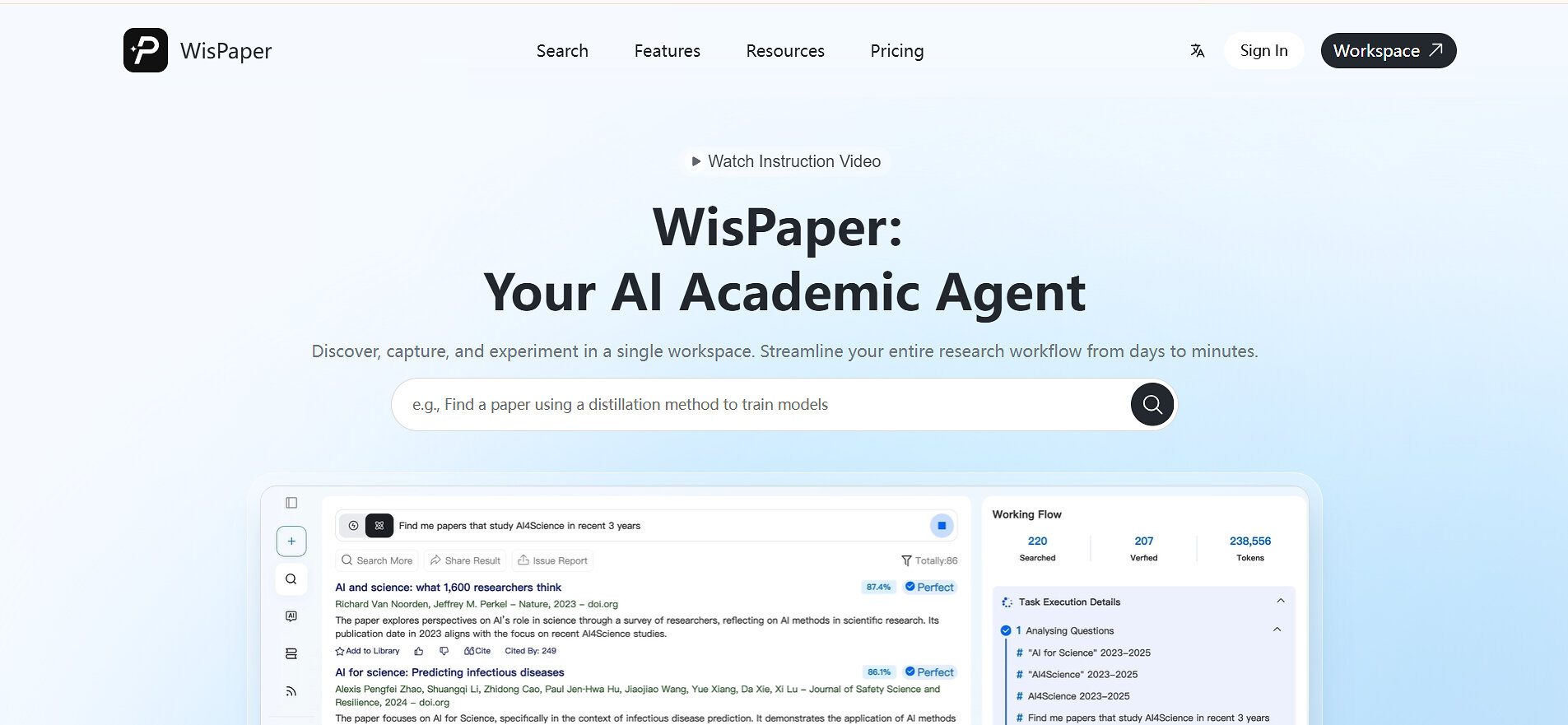
Artificial intelligence (AI) has rapidly advanced to the point where it can draft entire academic research papers, a capability that presents both opportunities and challenges for the scientific community. While AI tools can now summarize extensive literature, create comprehensive reviews, and even compose manuscript drafts in minutes, concerns are emerging regarding the reliability of the citations these systems generate.
Wispaper, a company operating in the academic technology space, points to citation accuracy as the critical next frontier for AI in research. As AI becomes increasingly integrated into the workflow of academics, ensuring the veracity and relevance of cited sources is paramount to maintaining scholarly integrity. The speed at which AI can produce content may outpace the current capacity to verify its foundational references.
The development raises questions about the potential for AI to inadvertently or intentionally misattribute sources, fabricate citations, or overlook crucial existing work. This could undermine the rigorous peer-review process and the credibility of published research. Researchers are now tasked with discerning not only the quality of AI-generated text but also the trustworthiness of its embedded references.
Addressing this challenge will likely require a combination of improved AI algorithms designed for citation verification and enhanced critical evaluation by human researchers. The future of AI in academia may depend on its ability to reliably support, rather than simply mimic, the established standards of scholarly citation and authorship.