AI deepfakes emerge in election campaigns
AI-generated videos, known as deepfakes, are increasingly appearing in political campaigns, despite legislative efforts to curb their use.
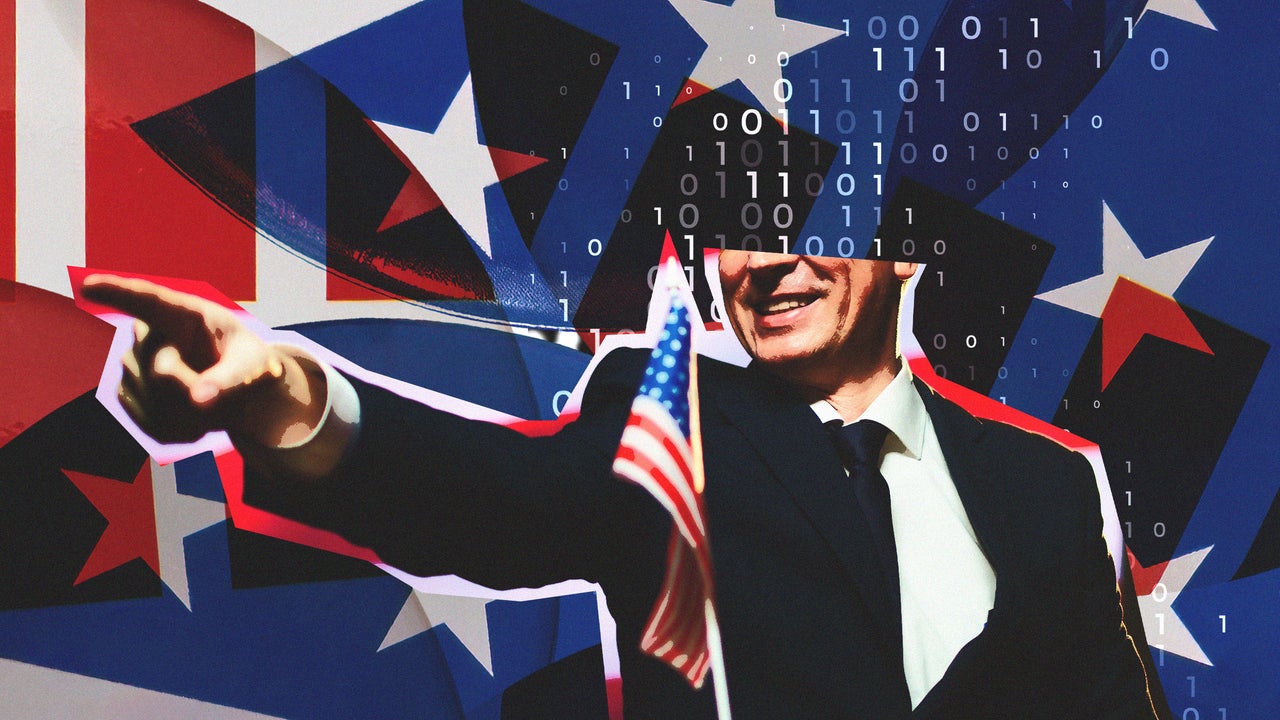
AI-generated videos, commonly referred to as deepfakes, have become a noticeable feature in political campaigns, appearing in recent primary elections. These synthetic media can mislead voters by depicting candidates saying or doing things they have not, despite ongoing attempts by various states to regulate the technology's deployment.
In a Michigan Senate race, an attack video, likely created with AI, portrayed Democratic nominee Abdul El Sayed entering the state via a Trojan horse alongside national Democratic figures. This video garnered millions of views on social media. Similarly, in the Massachusetts gubernatorial race, a Republican candidate's campaign utilized AI-generated videos, including a Halloween-themed ad, to target the incumbent governor.
These instances reflect a broader trend of employing AI for political opposition research and smearing. For example, in a Texas Senate race, an AI-generated version of a candidate was used to recite past controversial social media posts. In New York, anonymous accounts have also used AI to create synthetic local voters criticizing a newly elected mayor.
Several states have enacted legislation aiming to limit the use of AI in political advertising. These laws address deceptive AI and non-consensual digital replicas. Some states mandate disclosure of AI use in political ads, while others prohibit non-consensual deepfakes intended to harm candidates. However, no specific federal law governs deepfakes in elections.
Despite these regulations, generating and distributing AI-created political content remains relatively easy. Many states lack restrictions, and preventing the spread of such material or ensuring disclaimers remain attached can be challenging. While legal recourse may exist, its effectiveness in altering election outcomes is uncertain. It is also possible that voters are becoming desensitized to these tactics, regardless of their technological sophistication.