AI Demand Strains Component Supply, Raising Consumer Device Prices
Surging demand for components like RAM and storage for AI applications is causing shortages in the consumer market and driving up device prices. This trend is expected to persist for several years.
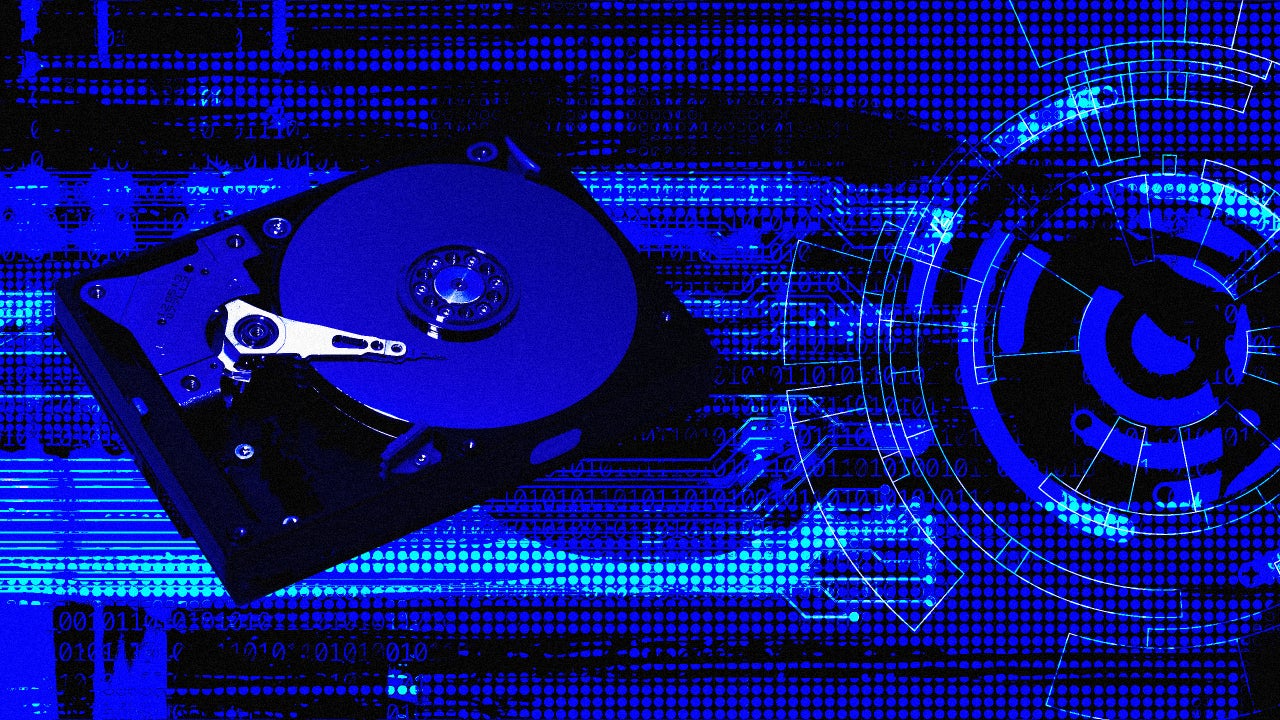
The rapid advancement of artificial intelligence (AI) and the massive data centers required to support it are beginning to impact the consumer electronics market. Component manufacturers are increasingly prioritizing production for data centers, leading to supply chain disruptions for essential parts like RAM, solid-state drives, and traditional hard drives. This scarcity is translating into higher prices for consumer devices, including computers and gaming consoles.
This phenomenon, dubbed "RAMageddon," is forcing several technology companies to adjust their pricing strategies. Apple and Microsoft have announced or implemented price increases on various products. For instance, Apple's MacBook Neos have seen price hikes, while Microsoft's Surface laptops and gaming consoles have also become more expensive. Gaming giants Sony and Nintendo have similarly raised prices for their consoles. Smaller manufacturers are either following suit with price increases or offering devices with less robust configurations.
Industry experts suggest that the situation is unlikely to resolve quickly. The component shortages are expected to affect hardware availability and pricing for several years. While past periods of memory and storage scarcity have occurred, the current situation is notable for its scale and deviation from the historical trend of continuously decreasing electronics prices.
Questions are being raised about the broader implications of this shift. While redirecting production to data centers is a predictable business decision within a capitalist framework, it could negatively affect smaller tech companies. Furthermore, the long-term impact of the vast computing power dedicated to AI remains uncertain, with potential outcomes ranging from beneficial applications to privacy concerns and job displacement.
Looking ahead, some analysts predict that the pressure on RAM and storage components may ease within a couple of years. Until then, consumers can anticipate continued price increases and potential difficulties in acquiring desired devices. This period may also foster a greater appreciation for existing, functional technology.