AI expands access to workforce services
Artificial intelligence is reshaping workforce service delivery, enabling public employment systems to become more proactive, personalized, and responsive to individual needs.
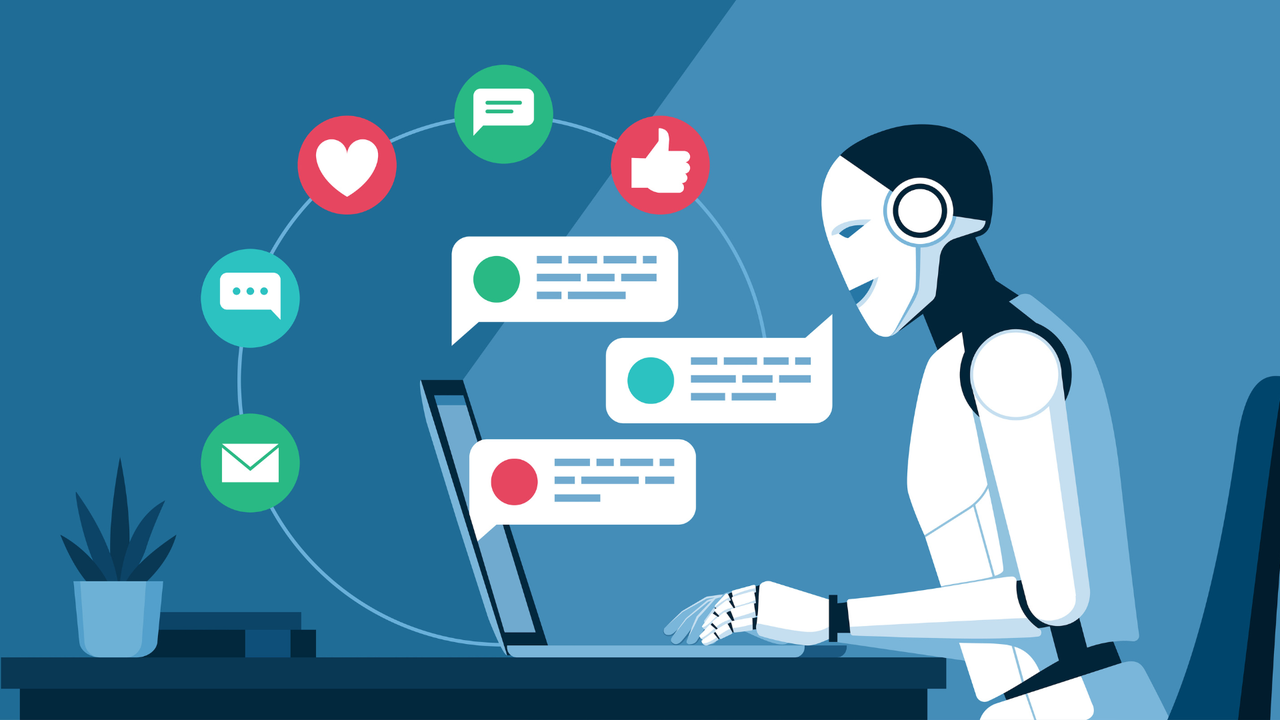
Artificial intelligence (AI) is transforming how workforce services are delivered, allowing public employment systems to operate more proactively, personalize offerings, and respond more effectively to job seekers' needs. Workforce agencies are leveraging AI to match individuals with job openings, identify transferable skills, and recommend career pathways.
AI-powered assistants can handle common inquiries, support application processes, and extend service availability beyond traditional business hours. The U.S. Department of Labor has encouraged state and local agencies to use funding to develop foundational AI skills among workers, recognizing the growing importance of AI literacy in the modern economy.
New funding initiatives are supporting the wider adoption of AI across workforce development programs, helping organizations modernize services and expand access to education and training. The Department of Labor has also announced a national contracting opportunity to enhance AI skills training within registered apprenticeship programs, aiming to build stronger talent pipelines for critical industries.
When implemented responsibly, AI can strengthen the workforce ecosystem by improving job seeker-to-employment matches, facilitating employer communication, and reducing administrative burdens for workforce professionals. AI can also analyze labor market data to identify skill gaps and guide more targeted support. Ultimately, combining AI with human expertise will provide the greatest value, especially in decisions affecting program eligibility and service prioritization.