AI Fear Leads Employees to Slack Off, Arrive Late, and Steal Lunches
A Washington State University study found that employees fearing job loss to AI are more likely to engage in negative behaviors, including slacking, lateness, and theft.
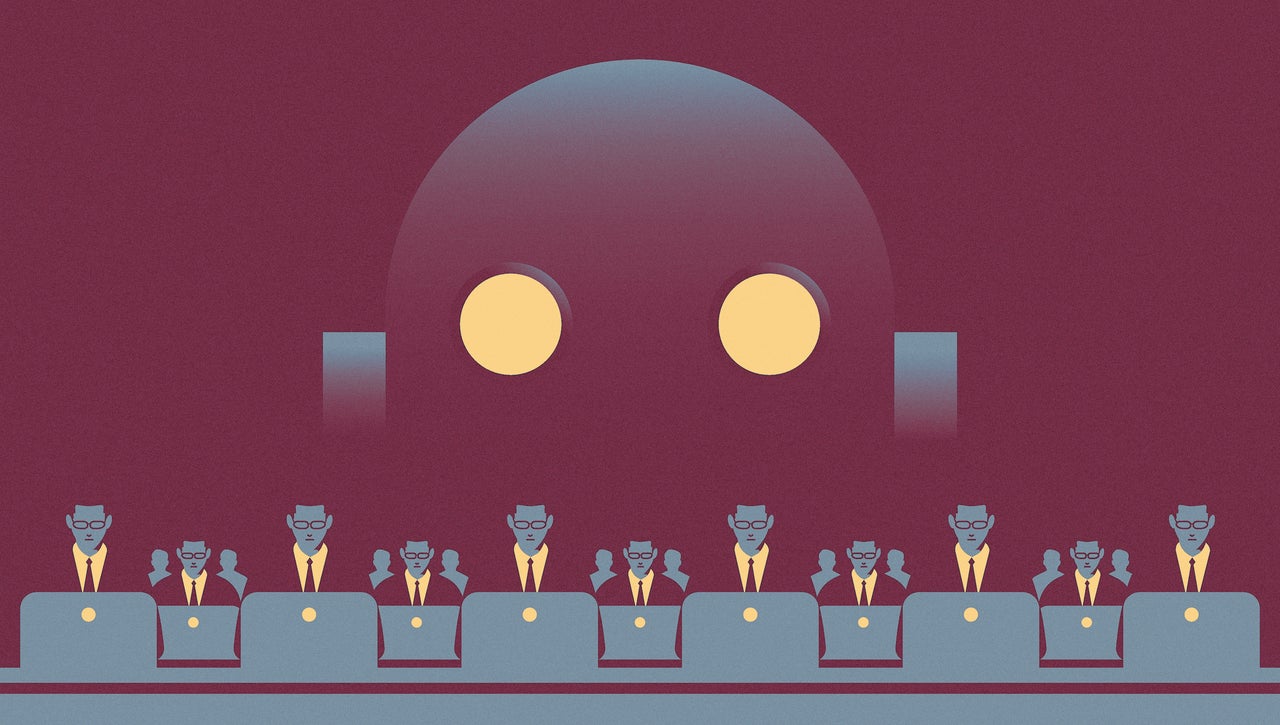
Employees experiencing heightened anxiety about job displacement due to artificial intelligence (AI) are exhibiting increased instances of poor workplace behavior, according to new research from Washington State University (WSU).
The study, published in Occupational Health Science, surveyed workers across 18 industries. It found a correlation between fears of AI replacing jobs and a rise in behaviors such as slacking off during work hours, arriving late, or even stealing colleagues' lunches.
Researchers noted that employees who anticipated being replaced were more prone to "moral disengagement," a psychological process allowing individuals to justify unethical actions. "Moral disengagement is basically a way of justifying bad behavior," stated lead author Tahira M. Probst, a psychology professor at WSU Vancouver.
The findings suggest that industries with higher AI exposure, like finance and insurance, saw more pronounced negative behaviors. The study advises employers to consider the psychological impact on employees when implementing AI to mitigate these risks and support their workforce.