AI growth poses risk of widening global economic inequality
A new study by Ayre Think Tank warns that uneven adoption of artificial intelligence could create a 360-billion-dollar economic gap between wealthy and developing nations.
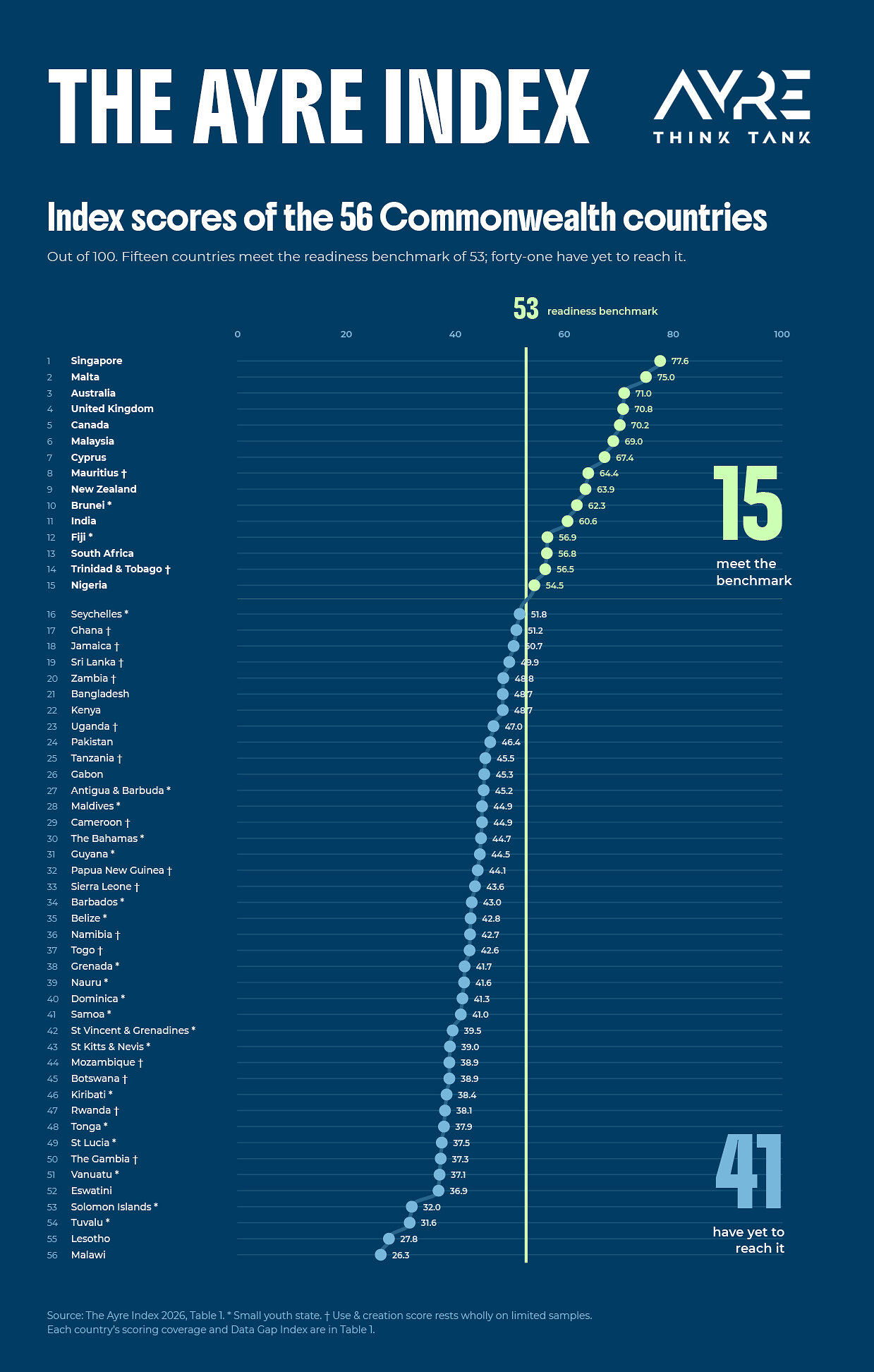
The rapid expansion of artificial intelligence may exacerbate global economic disparities, according to a recent study by Ayre Think Tank. Researchers estimate that the concentration of AI infrastructure and technical expertise in developed nations could lead to a 360-billion-dollar gap in economic output compared to poorer regions.
The report highlights that while AI offers significant potential for productivity gains, the benefits are currently skewed toward nations with established digital frameworks. This creates a barrier for developing economies, which may struggle to catch up due to limited access to the necessary computational resources and specialized talent.
Experts suggest that without proactive international policy measures, the AI divide will become a structural impediment to global development. The findings indicate that the technological transition risks leaving a significant portion of the world economy behind, necessitating a reevaluation of how global tech investment is managed.