AI Productivity Paradox: AI Is Widespread, But Lacking Tangible Productivity Gains
Despite the widespread adoption of AI in businesses, its actual impact on productivity has been less significant than anticipated. Experts emphasize that leveraging the technology requires more than just implementation.
The widespread integration of artificial intelligence (AI) into businesses has not yet translated into the substantial productivity gains initially expected. Studies indicate that simply providing employees with access to AI tools is insufficient to drive significant improvements, highlighting a gap between adoption and tangible results.
While AI technology holds transformative potential, its current application often remains at the individual task level, such as drafting emails or summarizing meetings. The more complex collaborations and strategic business model evolutions that could yield greater value are yet to be widely realized. Some implementations have even led to decreased quality and efficiency, termed 'AI workslop'.
Experts suggest that successful innovation with AI requires a strategic approach, focusing on collaboration between technical experts and those who understand real-world business challenges. Rather than a rapid, organization-wide rollout, a more controlled adoption, starting with smaller, like-minded groups, is recommended to build momentum and mitigate resistance.
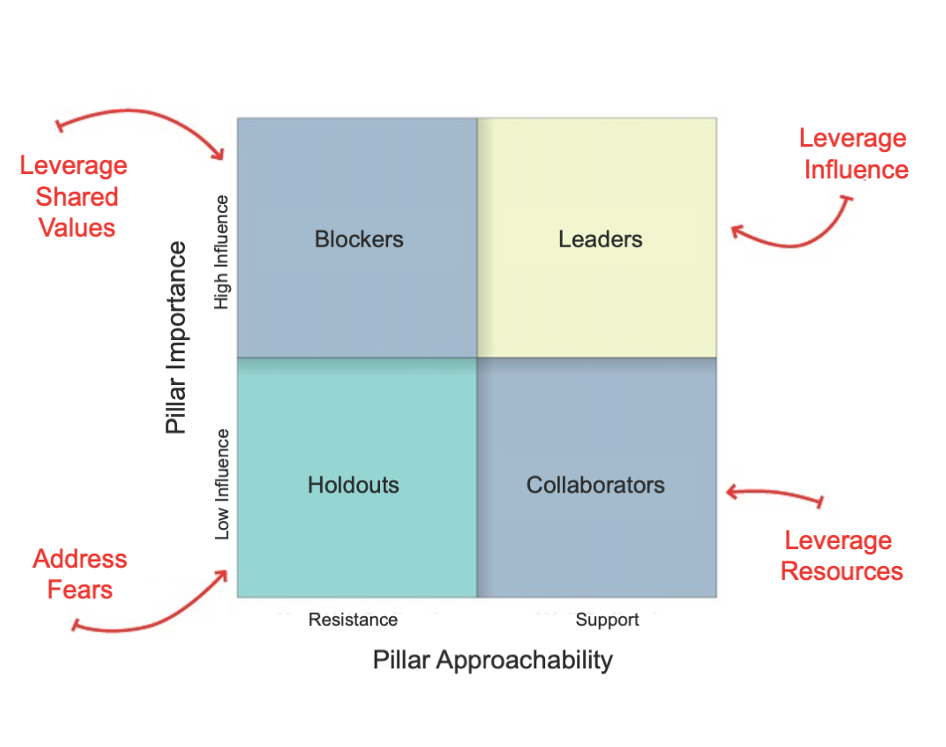
Organizations must anticipate and address potential resistance to AI adoption. Key areas of concern include trust issues, change fatigue, conflicting incentives, and the costs associated with switching to new systems. Proactive analysis of these factors and strategic planning to overcome them, alongside mapping key stakeholders, are crucial for successful transformation and realizing AI's full potential.