AI system alerts ships to whale presence in San Francisco Bay
A pilot program uses AI-powered thermal cameras to detect whales in San Francisco Bay, sending alerts to vessels to help prevent collisions and protect marine life.
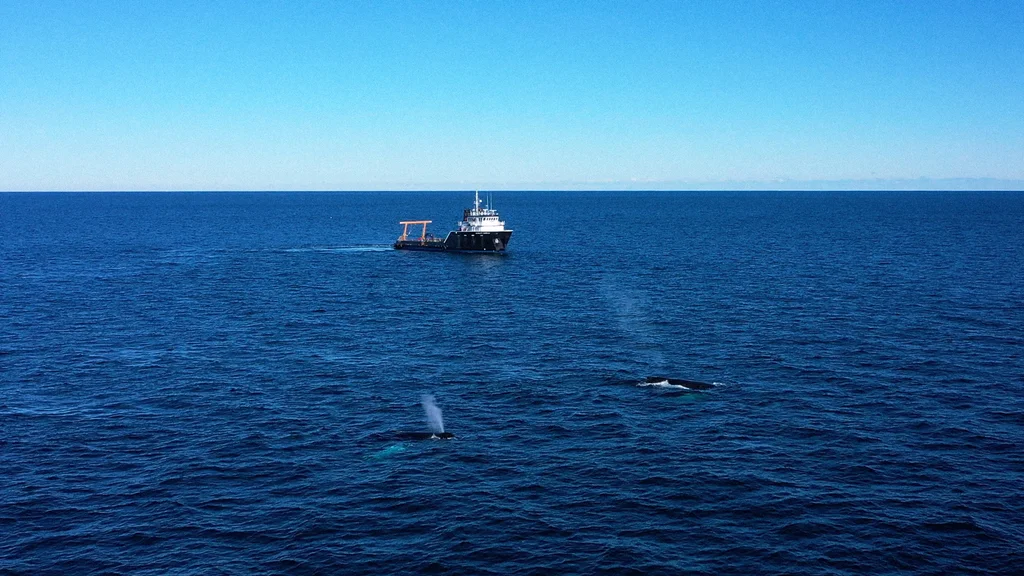
An artificial intelligence system is being piloted in San Francisco Bay to warn ships of nearby whales, aiming to reduce fatal collisions. The technology, developed by WhaleSpotter, utilizes thermal cameras mounted on vessels and land to detect the heat signature of whale breath at the water's surface.
The initiative addresses a growing issue where changing marine food sources due to climate change are causing more gray whales to frequent the bay during their migration. This increases the risk of strikes from the significant cargo ship, cruise ship, and ferry traffic in the area. Last year, 21 whales died in the bay, with ship strikes accounting for 40% of these deaths.
When the system detects a whale, it sends an alert to the ship's captain, providing critical time to slow down or alter course. The thermal cameras offer a detection range of up to four nautical miles and can operate effectively in challenging conditions like fog and darkness, often spotting whales before human observers can.
During the pilot, cameras are deployed on a San Francisco Bay Ferry and at a fixed location on Angel Island. The ferry's operational director noted the system's alerts often precede visual sightings. The camera on Angel Island registered thousands of detections within the first nine days of operation. The collected data is shared with the U.S. Coast Guard to broadcast warnings to other vessels in the vicinity.
The long-term goal is to expand this network to cover all major shipping lanes, potentially integrating with initiatives like voluntary speed reduction zones. WhaleSpotter, which spun out of research from the Woods Hole Oceanographic Institution, aims to provide a scalable solution to a global problem, as an estimated 10,000 whales are killed by ship strikes annually worldwide.