AI Transformation: Avoiding the Biggest Mistake
Many organizations make a common mistake with AI by automating old processes instead of eliminating redundant steps, leading to only incremental gains. True transformation requires rethinking workflows.
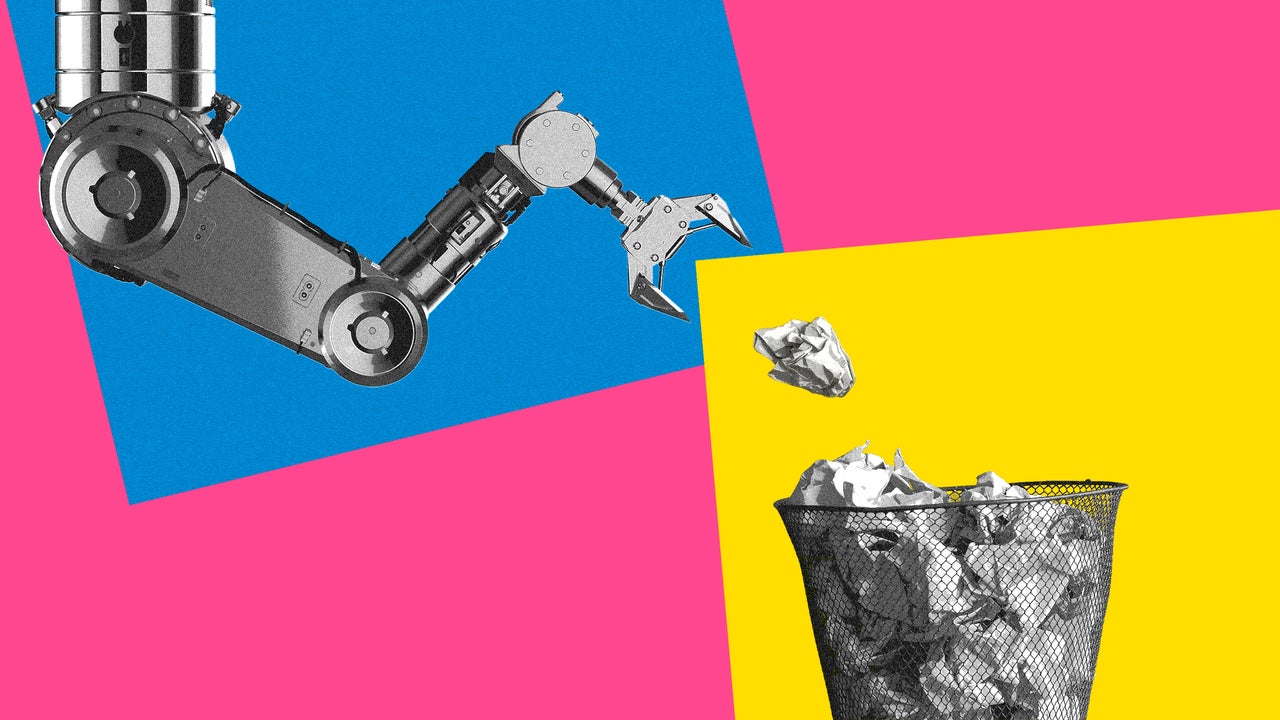
Many organizations make a common mistake when implementing artificial intelligence: they focus on automating existing, often legacy, workflows rather than fundamentally rethinking or eliminating unnecessary steps.
This approach, using AI to accelerate old processes, yields only incremental improvements and provides a false sense of momentum. For example, in procurement, where requests require multiple approvals and contracts are manually reviewed, using AI to speed up these steps does not address the core process inefficiencies.
The true potential of AI lies in its ability to reimagine business operations. Instead of clinging to old routines, companies should question which processes can be eliminated entirely with AI's capabilities. In customer service, AI could proactively resolve issues by connecting systems rather than just speeding up ticket handling.
Companies that focus solely on automation typically see a 10%-30% productivity lift in targeted areas. Organizations that, however, reimagine their workflows and leverage AI's capacity to eliminate redundant coordination can achieve significantly greater improvements, such as halving process steps and reducing administrative headcount.
To avoid this pitfall, organizations must start with zero-based design: envisioning the ideal process from scratch and utilizing AI's potential for real business outcomes like reduced cycle times and improved customer experience. The key is understanding that AI transformation is primarily a rethinking project, not just a technology one.