AIKO Highlights PV Safety in Response to Europe's Rising Temperatures
As Europe faces intensifying heatwaves, AIKO is emphasizing the safety features of its photovoltaic modules. The company's ABC technology aims to reduce overheating risks and improve fire resistance in solar installations.
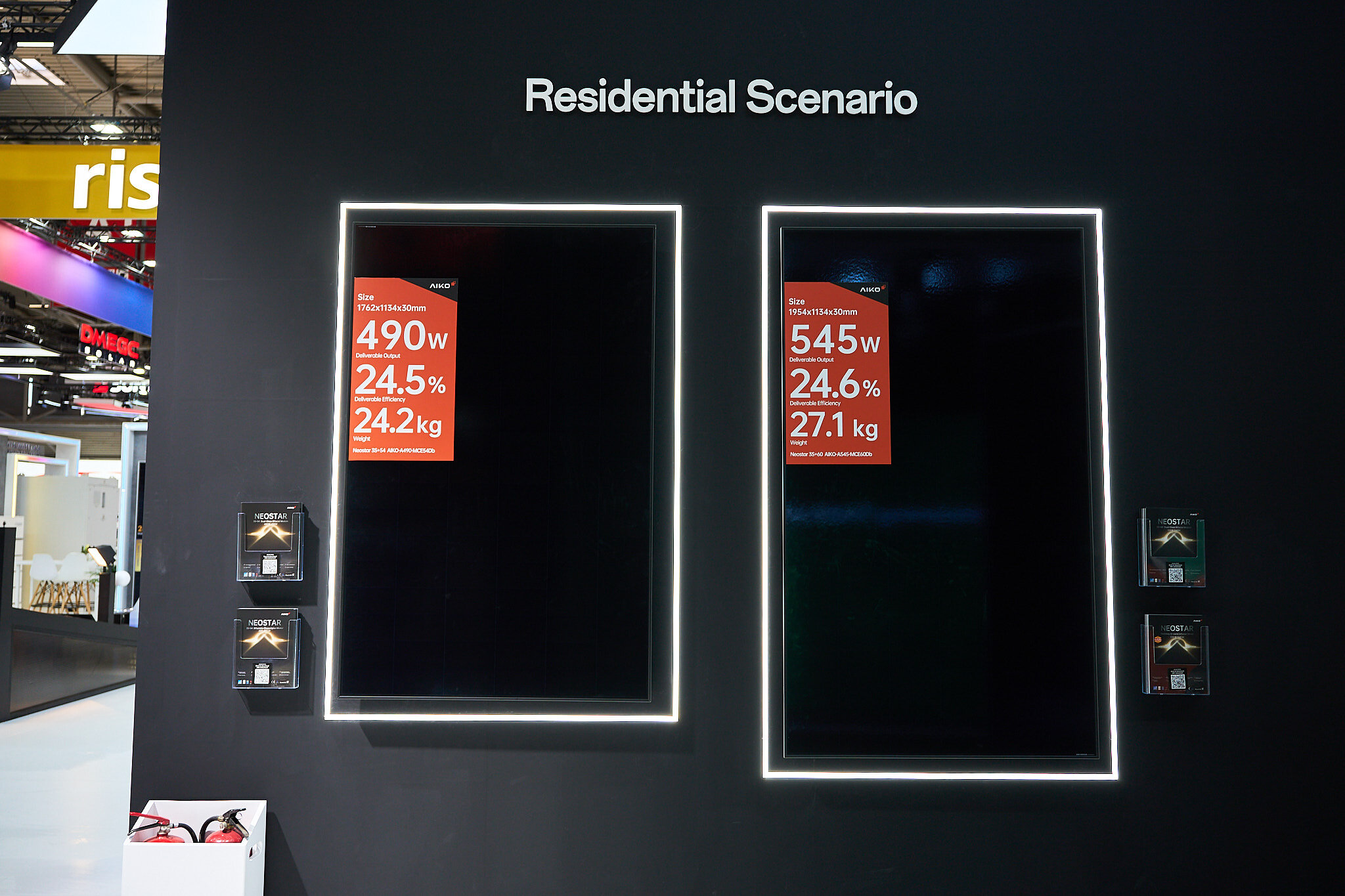
YIWU, China - Amidst Europe's increasingly frequent and intense heatwaves, AIKO is drawing attention to the safety performance of its photovoltaic (PV) modules. The expansion of solar installations across the continent means these systems are increasingly exposed to extreme climate conditions, shifting focus from solely efficiency to critical safety measures.
AIKO's ABC (All Back Contact) modules are being highlighted for their safety under these demanding conditions. The company states these modules are the first globally to receive TÜV Rheinland's "PV Module Anti-Ignition Hazard" certification. In testing under enhanced conditions, AIKO's ABC modules reportedly showed hot spot temperatures over 35% lower than traditional modules, indicating a reduced risk of thermal hazards from overheating.
The ABC technology is designed to limit hot spot temperatures below 100°C under relevant operating conditions. This is achieved through two key innovations: a cell-level bypass diode-like function that improves current flow during partial shading, and a copper interconnection technology. The copper structure is said to enhance cell toughness, reducing risks associated with micro-cracks that can lead to hot spots.
Demonstrations at Intersolar Europe 2026 reportedly showcased the difference in thermal behavior between ABC and traditional modules under identical shading. Furthermore, AIKO points to the modules' fire resistance, with its dual-glass ABC modules achieving a Class A rating in IEC fire resistance tests, surpassing the Class C rating of traditional modules.
AIKO asserts that as Europe accelerates its transition to renewable energy, thermal safety and fire resistance are becoming as crucial as efficiency. The company positions its ABC technology as a step towards more resilient and safer solar energy solutions for the future.