Air Conditioner Power Consumption and Energy Saving Tips
Air conditioner energy consumption varies by type, size, and efficiency. A typical residential unit consumes between 1000 to 3500 watts while running.
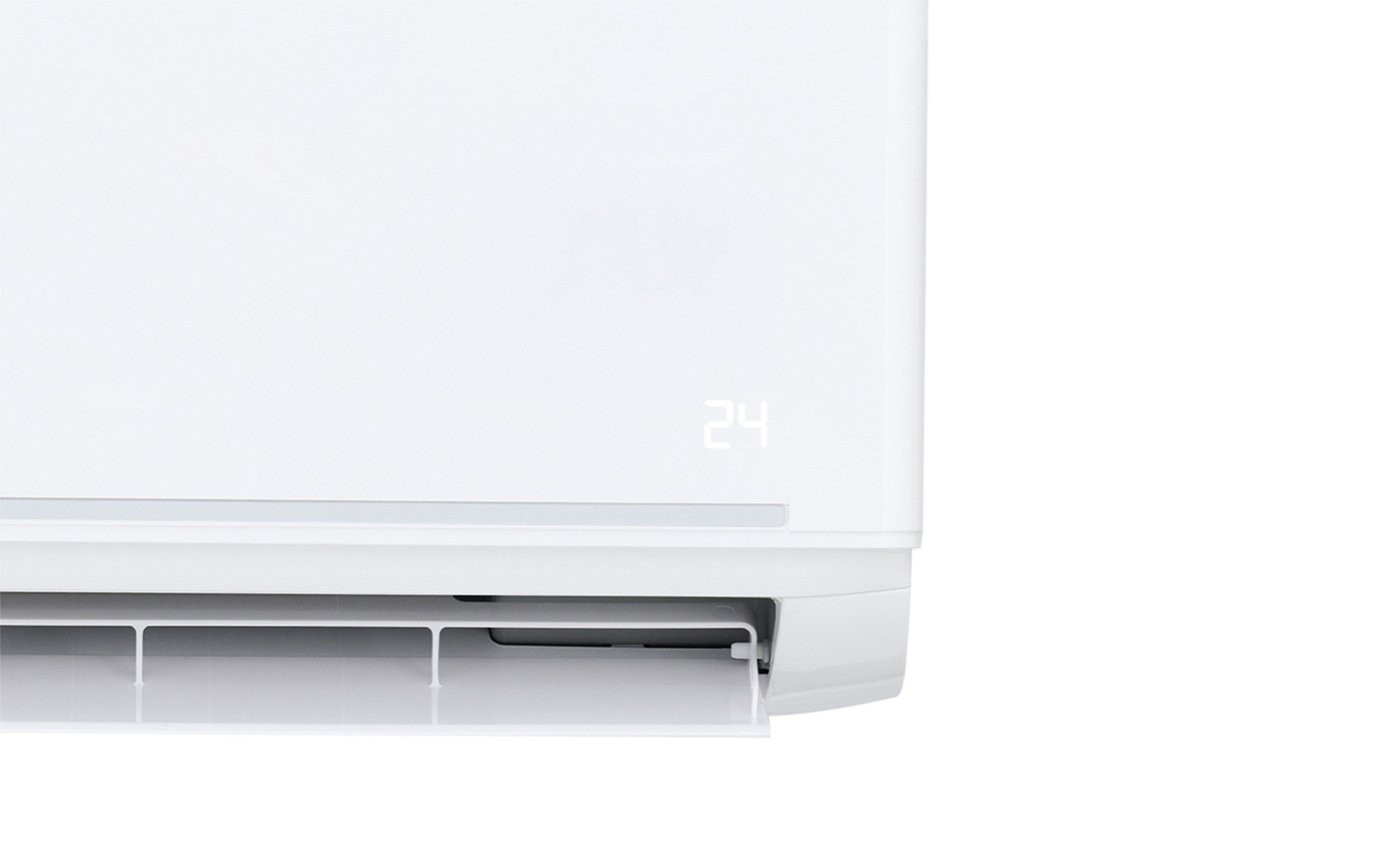
Midea Building Technologies is shedding light on the energy consumption of air conditioning units and offering advice to help consumers manage their electricity bills.
The power consumption of an air conditioner, measured in watts (W) or kilowatts (kW), depends on several factors, including the unit's type, size, and energy efficiency. Typical residential units generally consume between 1000 to 3500 watts when in operation. Older models tend to use more electricity, while newer inverter systems are designed to adjust their power output for energy savings.
Smaller window units or portable air conditioners typically consume less than 1500 watts, whereas larger systems, such as central air conditioning, can draw significantly more power. Other factors influencing actual consumption include room size, insulation, outdoor temperature, and thermostat settings.
Key factors directly impacting an air conditioner's wattage include its energy efficiency rating (such as SEER or EER) and the use of inverter technology. Building insulation, the seal of windows, and ambient room temperature also affect how long the unit needs to run, thus influencing energy usage. Lowering the thermostat by one degree can increase energy consumption by 6% to 8%. Midea also highlights the importance of regular maintenance, such as cleaning filters, as clogged filters can increase energy consumption by up to 15%. Higher outdoor temperatures also compel the system to work harder, consuming more watts.