AI's Ease of Access May Weaken Memory and Thinking Skills
As artificial intelligence provides quick answers, humans risk becoming worse at retaining knowledge and engaging in deep thinking. Experts advocate for active learning methods to counter these effects.
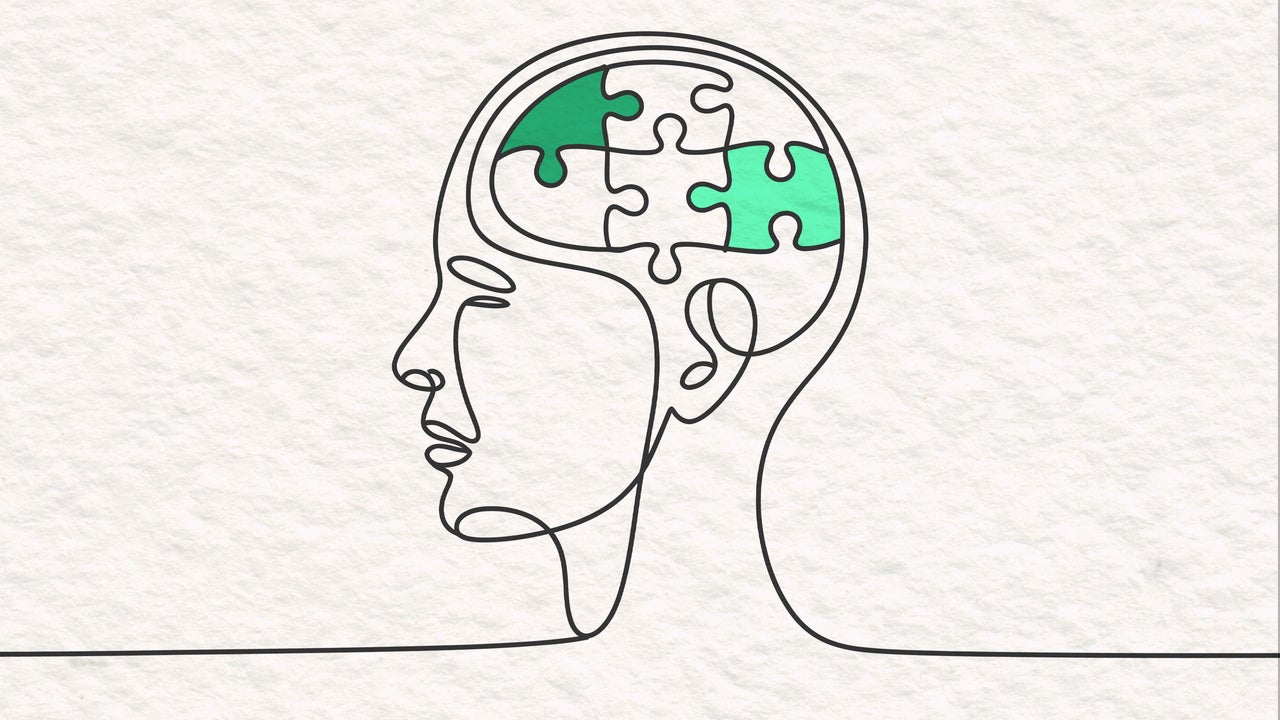
The increasing availability of AI tools that provide instant answers may be contributing to a decline in human knowledge retention and critical thinking abilities. Hermann Ebbinghaus's forgetting curve, established in the 19th century, demonstrates how quickly learned information is lost without reinforcement or practical application.
Over-reliance on AI for information retrieval can lead to passive learning, reducing the mental effort required for deep understanding and memory consolidation. When the brain is not challenged to recall information, its capacity for learning and memory may diminish. Simply reading or highlighting material without active engagement is unlikely to result in lasting knowledge.
Experts recommend employing techniques such as active recall and spaced repetition to strengthen memory. These scientifically supported methods encourage the brain to actively engage with information, for example, by trying to explain learned concepts from memory.
The Feynman Technique, which involves explaining a concept as if teaching it to a novice, is another effective strategy for identifying knowledge gaps and deepening comprehension. Combining teaching with regular recall sessions can yield optimal results for long-term memory and improved cognitive function.