Akamai Proposes Distributed Approach for AI Compute Needs
Akamai is advocating for a distributed model of AI compute, challenging the trend towards massive, centralized data centers. The company argues that AI inference requires proximity and low latency.
Akamai, known for its content delivery network, is proposing a new approach to meet the demands for artificial intelligence (AI) compute power. Instead of relying on ever-larger, centralized data centers, CEO Tom Leighton advocates for a distributed model that leverages existing infrastructure.
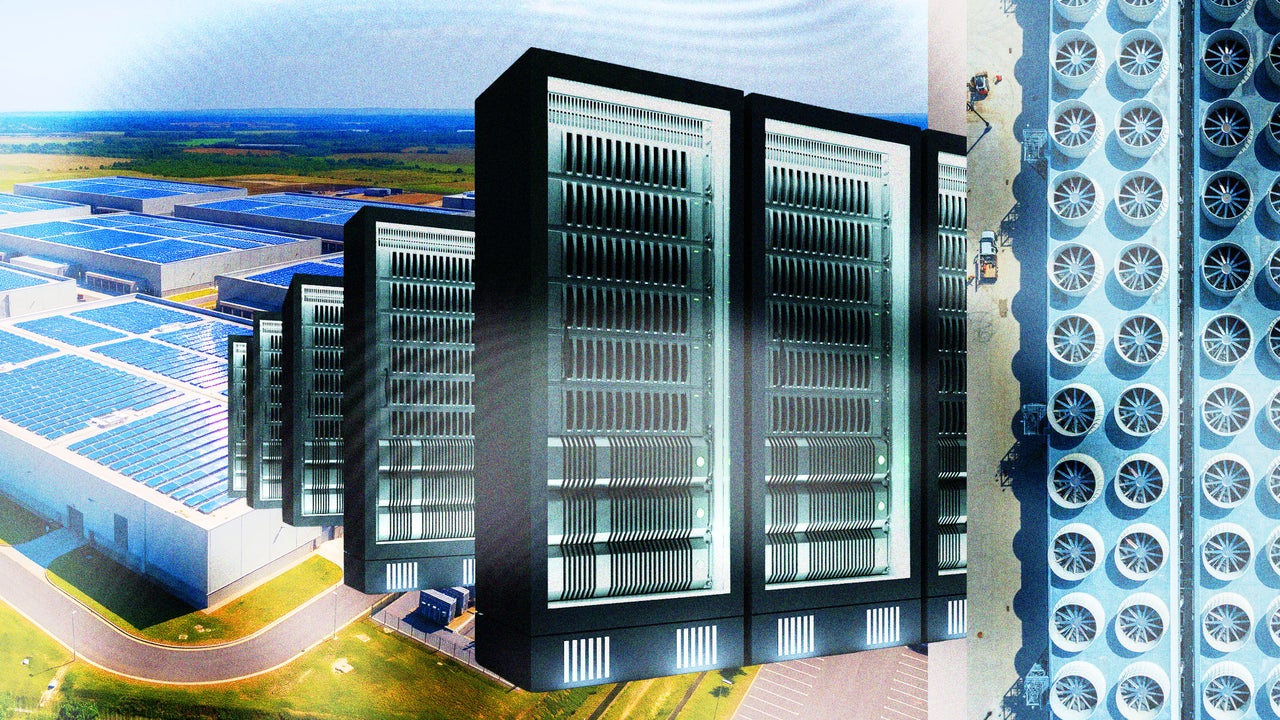
The company suggests that beyond the intensive training of large AI models, their "thinking" or inference also requires efficiency. Massive, centralized data centers, which often face community opposition due to power consumption and environmental impacts, may not be optimal for all AI applications. Leighton emphasizes that agentic AI, in particular, demands low latency and high performance, which large, centralized solutions may struggle to provide.
Akamai's strategy involves utilizing its extensive network and developing an AI Grid orchestration layer with Nvidia. This platform determines whether an inference workload should run in a centralized AI factory, a regional cloud, or one of Akamai's edge locations, based on latency requirements, operating costs, and performance needs.
Leighton's approach echoes Akamai's original strategy in the late 1990s, when it helped address internet growth pains by distributing content closer to users. Now, the company aims to apply a similar architecture to AI infrastructure challenges, where performance, reliability, and economics are key.
Akamai's effort seeks to offer a less disruptive and potentially more efficient alternative for AI infrastructure compared to building continuously larger data centers. The company posits that the success of AI applications at scale hinges more on infrastructure design and data locality than solely on the sheer volume of compute power.