Alexandria Ocasio-Cortez's 'Woke 1.0' comment sparks debate on evolving political terms
U.S. Representative Alexandria Ocasio-Cortez's remark calling 'Woke 1.0' 'crazy' has propelled a niche internet term into mainstream discussion, igniting debate over its meaning and historical context.
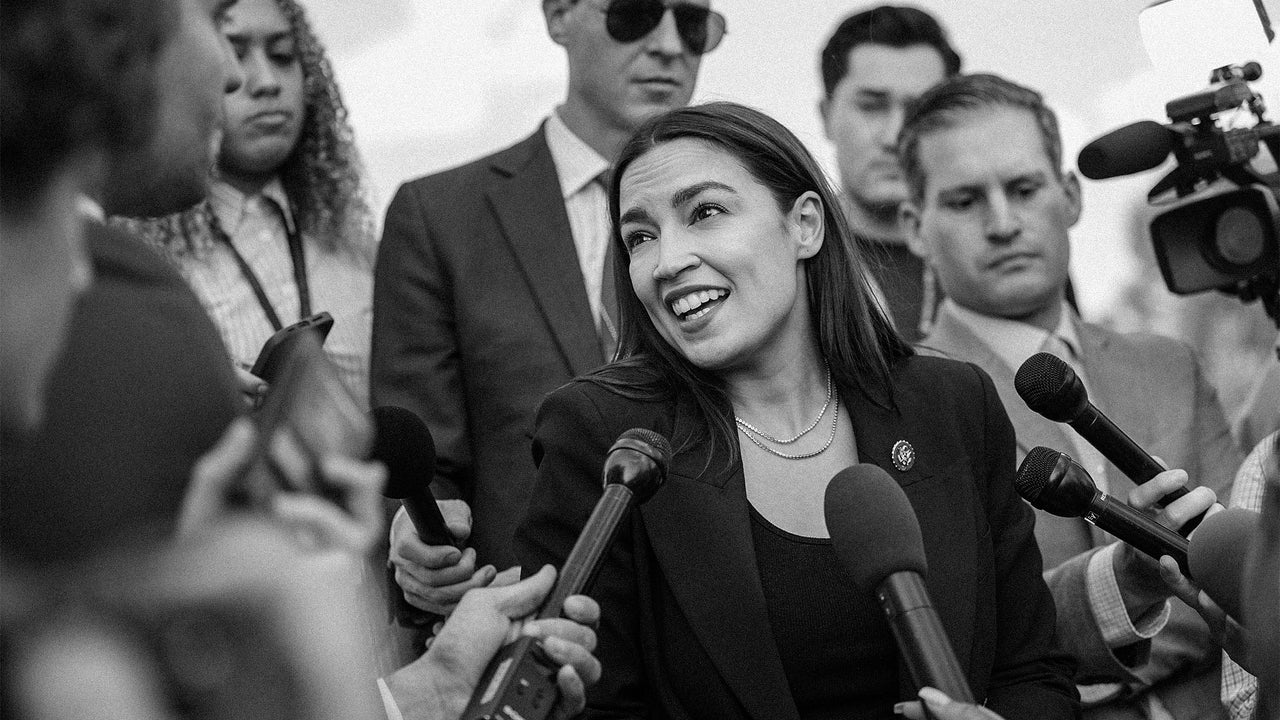
A comment by U.S. Representative Alexandria Ocasio-Cortez labeling "Woke 1.0" as "crazy" has thrust a term previously confined to internet discourse into broader public awareness, sparking conversations about its evolution and implications.
The remark, made during an appearance on ABC News, touches upon the shifting landscape of progressive politics. "Woke 1.0" has emerged as a descriptor for a perceived earlier, more radical phase of left-leaning activism in the early 2020s. This period is often associated with the resurgence of movements like Black Lives Matter and the #MeToo movement.
The term "woke" itself originated in Black communities as a call for political awareness, particularly regarding systemic discrimination. In the 2010s, its usage expanded to encompass a broader advocacy for social justice, including rights for Black individuals, LGBTQ+ communities, and women. Conversely, "woke" has been adopted by political conservatives as a pejorative to critique what they view as overly progressive or performative cultural and political movements.
Ocasio-Cortez's statement has contributed to popularizing the dichotomy of "Woke 1.0" and "Woke 2.0." The latter term signifies the current political era, where progressive politicians are regaining influence, often with more moderate stances than their predecessors. New York City Councilman Chi Ossé has expressed hope that "Woke 2.0" will be more productive, focusing on tangible gains for marginalized groups and avoiding the "virtue signaling" criticized in earlier activism.
However, the categorization into "Woke 1.0" and "Woke 2.0" has also drawn criticism for being overly simplistic and dismissive of ongoing social justice work. Critics argue that these terms can undermine the long-term efforts of abolition advocates and social justice organizations. As journalist Andree Gee noted in The Guardian, such labels risk trivializing sustained activism that predates and extends beyond the specific periodization implied by the terms.