AlexCar Compares Neoprene vs. Polyester Car Seat Covers
AlexCar has released a guide comparing neoprene and polyester seat covers, detailing differences in water resistance, durability, comfort, and price to help consumers choose the best material for their vehicle.
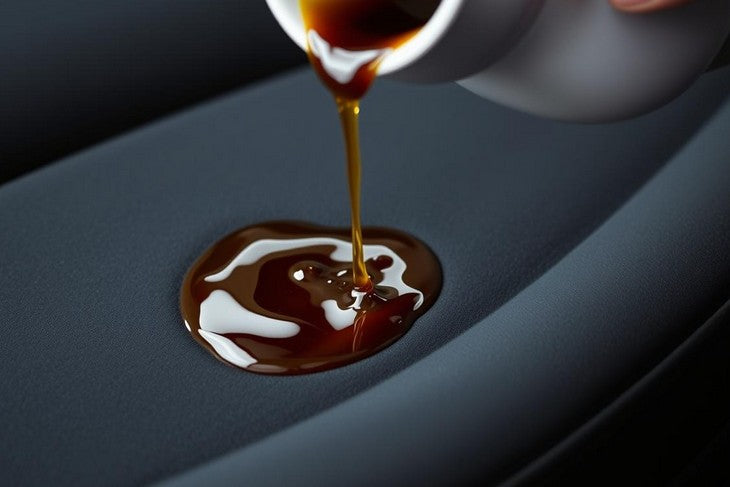
AlexCar, a provider of automotive accessories, has published a guide comparing neoprene and polyester seat covers to assist consumers in selecting the most suitable material for their vehicle's interior.
The guide highlights neoprene's superior water resistance, derived from its origins as a wetsuit material. AlexCar notes its effectiveness for active lifestyles, pet owners, and families due to its ability to protect against spills and moisture. This material offers a cushioned feel and good durability, though it comes at a higher price point and may have limited breathability.
Polyester seat covers are presented as a more affordable option, known for their durability, breathability, and wide availability in various styles. According to AlexCar, polyester is suitable for everyday protection against minor spills and offers good comfort in warmer conditions. However, it is not entirely waterproof and may be less durable than neoprene over time.
Key differences discussed include water resistance (neoprene is 100% waterproof, polyester is water-resistant), durability (neoprene averages 3-5 years, polyester 2-4 years), comfort, UV protection, and price. Neoprene covers range from $150-$300, while polyester options typically cost $50-$150.
AlexCar recommends neoprene for those prioritizing maximum protection against water and heavy use, such as off-roading or frequent outdoor activities. Polyester is suggested for daily commuters seeking basic protection, ease of maintenance, and better breathability at a lower cost. The company offers both types for various car models.