Allianz Trade: Geopolitics to slow global trade growth
Allianz Trade's latest report forecasts a slowdown in global trade due to geopolitical tensions and potential new US tariffs. Europe and China are expected to be most affected.
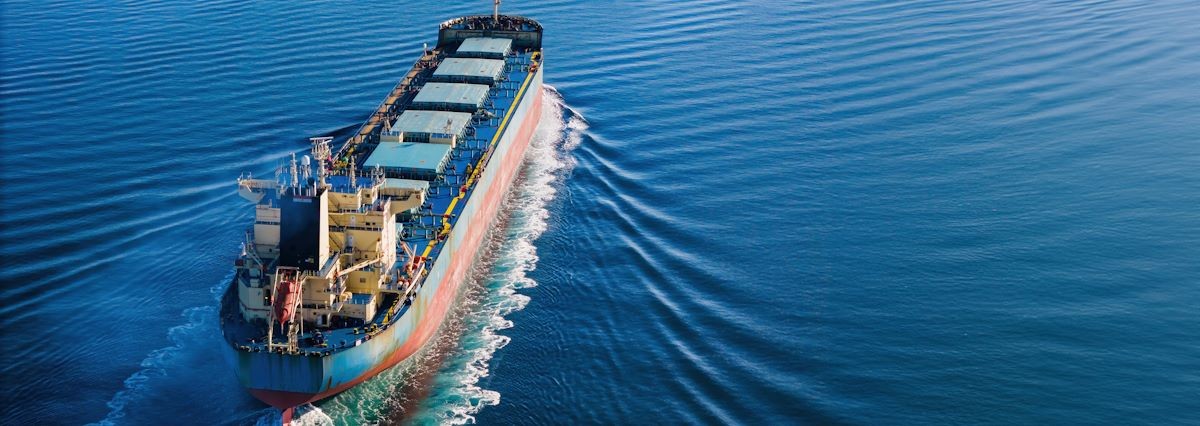
Global trade is set to experience a significant slowdown in the coming years, according to a new report from Allianz Trade, a world leader in trade credit insurance. The report highlights the tense US-China relations and potential new trade war measures as primary drivers of this anticipated deceleration. Projections suggest that nominal global trade growth could fall below 5% by 2026.
The outcome of the upcoming US elections is expected to play a crucial role. Should Donald Trump return to office, tariffs on Chinese and other strategic imports are likely to increase. This could lead to a reduction in nominal global trade growth by approximately 0.6 percentage points by 2026. China and the European Union are predicted to bear the brunt of these potential impacts, with export risks estimated at $67 billion for these regions combined in 2025-26.
The report also sheds light on the diverging economic interests between the EU and China and their influence on US trade policy. While the EU and the US share common geopolitical views, their economic objectives are not always aligned. Allianz Trade's calculations indicate that the EU often follows suit with US tariffs on China but incurs higher costs. Previous tariffs on China cost the US $17 billion annually, whereas the EU faced costs of nearly $38 billion per year.
With rising geopolitical tensions, global trade is increasingly being shaped by the competing geoeconomic agendas of the US and China. While global trade remains strongly linked to the US economy, China has emerged as a new superpower. The report also identifies new emerging trade hubs such as India, Vietnam, Malaysia, Indonesia, and the UAE, which are expected to increase their share of global exports in the coming years.