Allianz Trade outlines export risk management strategies
Allianz Trade has released guidance on managing risks associated with international trade. Exporting offers growth but introduces payment and political uncertainties.
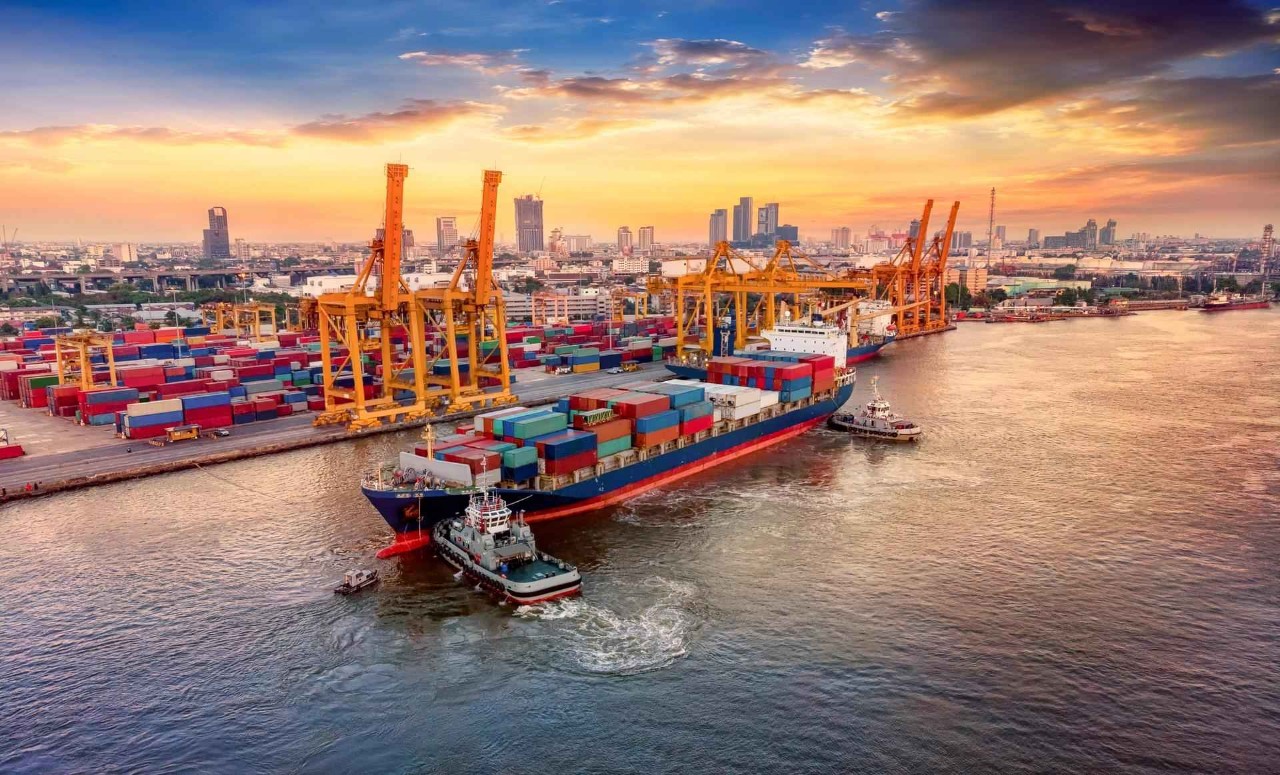
Allianz Trade has published guidance to help businesses navigate the complexities of export risk management. Engaging in international trade can unlock significant growth by opening new markets, but it also introduces a new set of financial and political risks that may not be present in domestic operations.
The company emphasizes that effective risk management is not about eliminating all potential hazards, as risk-free business is unattainable. Instead, it focuses on identifying, assessing, and mitigating risks to acceptable levels. This process can involve implementing tailored payment terms for international clients or utilizing trade credit insurance to protect against defaults.
Key steps in managing export risks include identifying all potential threats, from macroeconomic fluctuations and political instability to changes in customer creditworthiness. Businesses must then rank these risks by likelihood and severity to develop appropriate mitigation strategies. These can range from specializing in certain markets or industries to securing insurance for significant exposures.
Political risks, such as civil unrest, sanctions, or sudden policy changes in a foreign country, can dramatically alter the business landscape. Such events might lead to asset seizure, difficulties in repatriating funds, or an increased likelihood of customer non-payment. Allianz Trade aims to equip companies with the tools to anticipate and manage these diverse international trade challenges.