Allianz Trade Survey: Export Growth Expectations Hold, Non-Payment Risk Rises
A global survey by Allianz Trade indicates over 70% of companies anticipate export growth in 2026, undeterred by the Middle East conflict. However, non-payment risk is expected to increase.
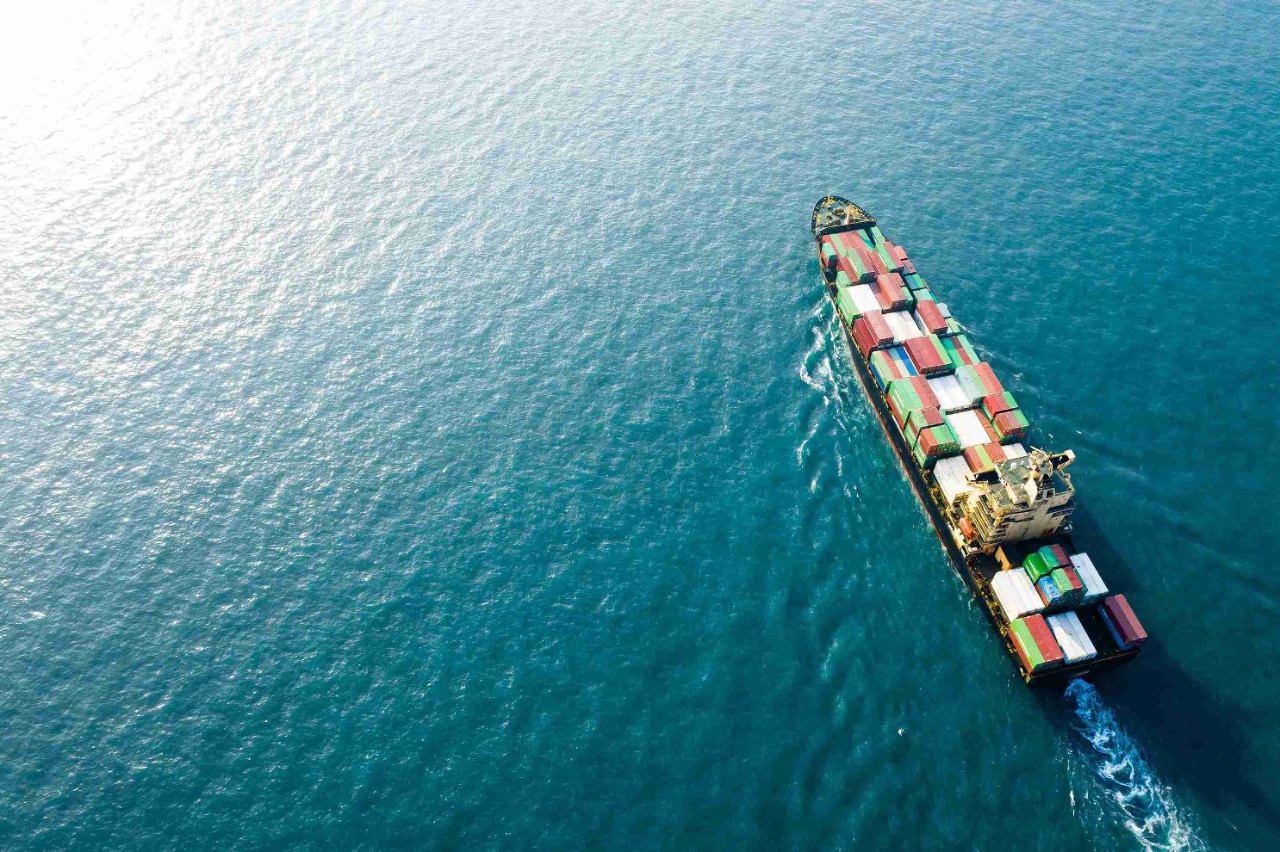
Despite the ongoing conflict in the Middle East, a significant majority of companies remain optimistic about export growth in 2026, according to the latest Allianz Trade Global Survey. The study, which polled 6,000 companies across 13 markets, found that 75% of exporters expect positive growth, showing resilience compared to earlier trade disruptions.
Geopolitical and political risks have now surpassed supply chain complexity as the leading concern for businesses globally, the survey revealed. While the impact of the Middle East conflict was assessed as moderate by most, confidence levels saw notable drops in countries including Vietnam, the United States, and Spain. This optimism, however, is described as fragile and could diminish if the conflict persists.
The conflict is also tightening trade finance conditions. Payment cycles are lengthening, with a notable increase in the percentage of companies experiencing delays beyond 70 days. The risk of non-payment is escalating, particularly impacting the pharmaceuticals, construction, and computer/telecom sectors. Larger companies are also facing disproportionately longer payment cycles.
Asia Pacific, excluding China, is identified as a key beneficiary of supply chain realignments, driven by competitive labor costs and improved logistics. Vietnam, India, Indonesia, and Malaysia are attracting investment, while China's appeal has waned. Companies are actively mitigating supply chain shocks through inventory building, market diversification, and securing new suppliers.
In response to trade friction and geopolitical instability, businesses are also rerouting logistics and exploring alternative shipping options. The survey highlights a broad effort among companies to de-risk both demand and supply exposures by adapting to the evolving global trade landscape.