Amadeus Reports AI, Biometrics, and Digital Identity Poised to Reshape Travel
Amadeus IT Group anticipates a significant transformation in the travel experience driven by the convergence of AI, biometrics, and digital identity. These technologies aim to create a seamless and secure passenger journey.
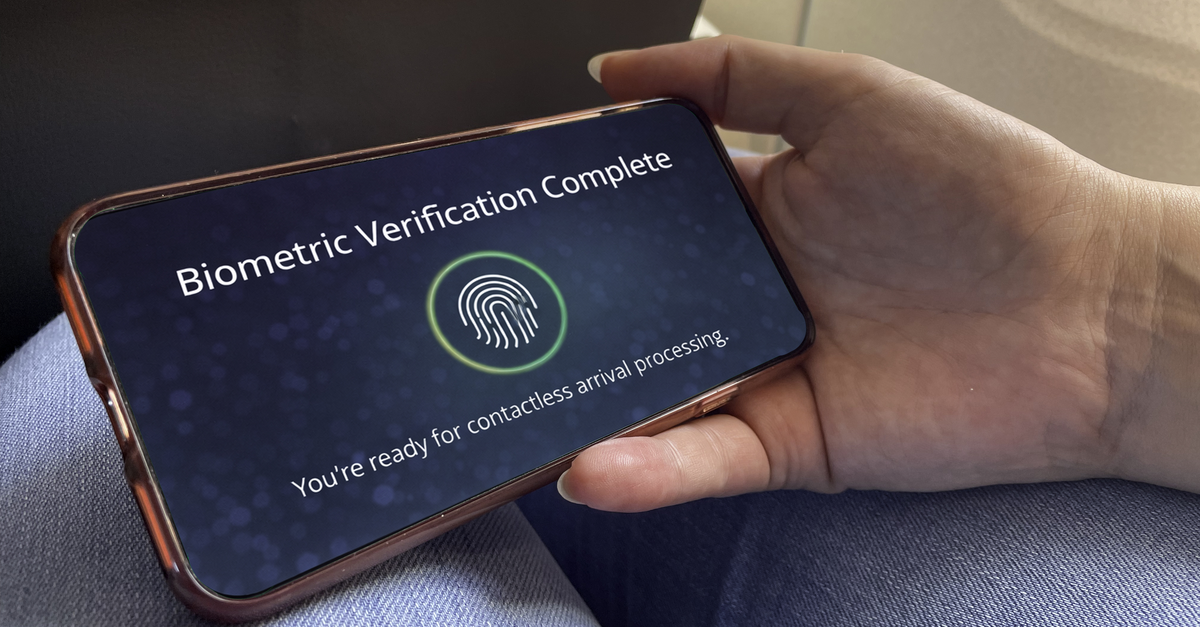
Amadeus IT Group predicts that the integration of artificial intelligence (AI), biometrics, and digital identity will fundamentally alter the travel experience. When orchestrated at scale, these technologies promise to create a digital identity layer throughout the journey, enhancing both traveler convenience and security.
Biometrics offers a fast, automated method for verifying passenger identity at various touchpoints, such as security checkpoints and boarding gates, reducing the need for repeated manual checks. Digital identity acts as a trusted credential, while AI leverages these verified signals to make real-time decisions, smoothing passenger flows and improving service delivery.
According to the International Air Transport Association (IATA), 50% of travelers used biometrics at airports in 2025, with high satisfaction rates. A significant 74% of travelers would share their biometric data if it meant avoiding passport or boarding pass checks. However, privacy concerns remain a hurdle, with 42% of hesitant travelers willing to share data if privacy is assured.
Amadeus is adopting a decentralized approach where travelers maintain control over their data. Information is stored locally on their mobile device and shared only with consent, temporarily, for specific touchpoints, and is deleted immediately afterward. This method aims to build trust and safeguard passenger rights within the evolving digital travel ecosystem.
Digital identity wallets, potentially including payment functionalities, are also gaining traction. The European Union is leading efforts, aiming for 80% of its population to use a digital wallet by 2030, with travel being a key use case.