Amazon and Google Challenge Nvidia in AI Accelerator Market
Amazon and Google are developing custom AI accelerators, challenging Nvidia's long-standing dominance in the semiconductor market. Hyperscalers are seeking cost and efficiency advantages with their own chips.
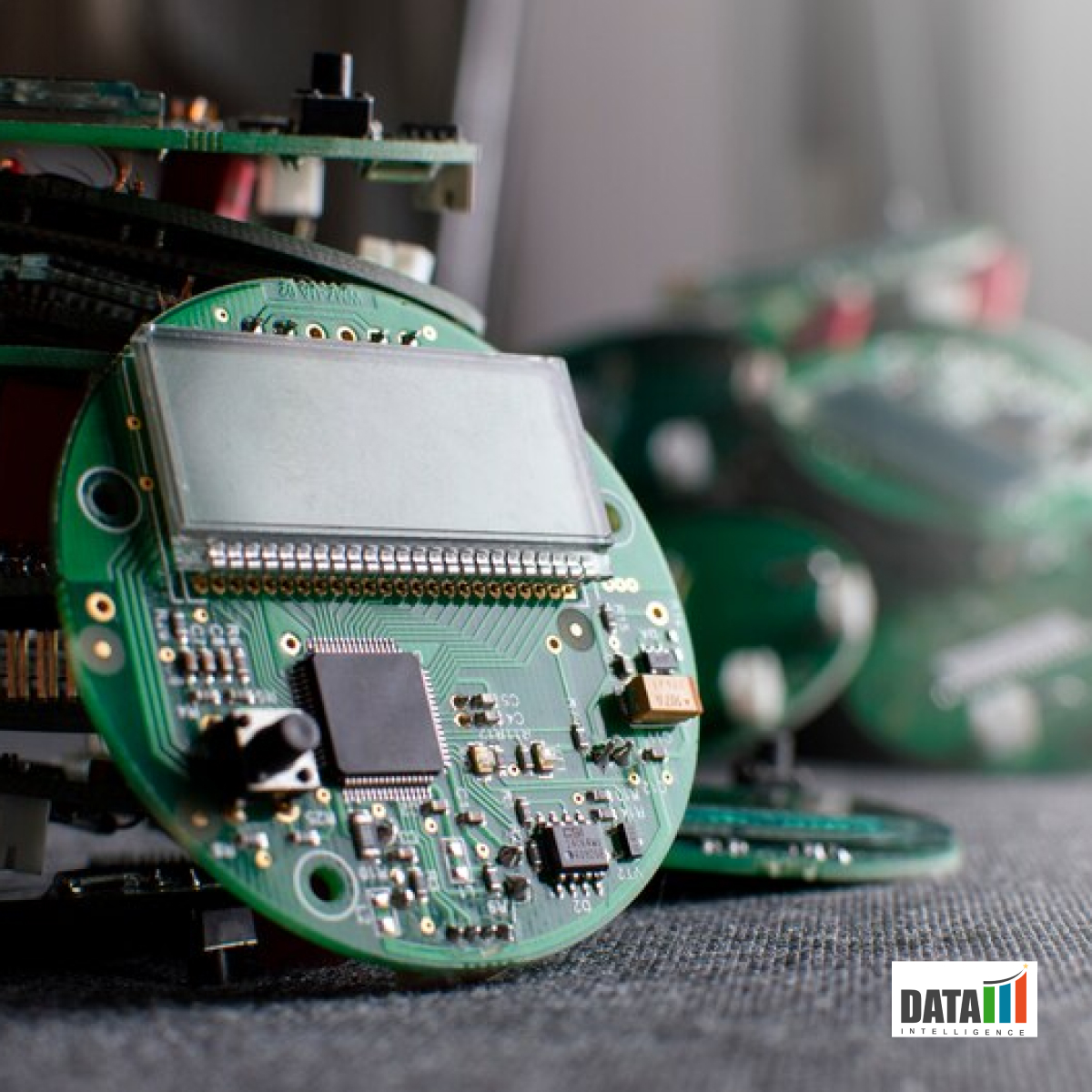
Amazon and Google are reshaping the AI accelerator market by developing their own custom silicon, challenging Nvidia's long-standing dominance in AI hardware. Hyperscale cloud providers are shifting away from relying solely on expensive and power-hungry Graphics Processing Units (GPUs) by creating their own optimized AI chips.
Industry analysis indicates that hyperscalers are building their AI infrastructures with an integrated approach, incorporating accelerators, high-speed networking, and optimized storage systems. This trend is driving rapid growth in the semiconductor market, which is projected to reach close to $1 trillion in the coming years due to demand from AI data centers.
While Nvidia has historically dominated the market with its GPU technology and CUDA ecosystem, the surge in generative AI has led to significant cost increases, power consumption issues, and supply chain strains. This has prompted Amazon and Google to invest heavily in developing their own AI accelerators, such as Amazon's Trainium and Google's TPUs.
Custom silicon is experiencing faster growth within the AI accelerator sector compared to traditional GPU-based infrastructure. Bloomberg Intelligence projects that spending on custom silicon will significantly increase by 2027, driven by hyperscalers aiming to control costs and maximize efficiency. This shift is impacting the entire AI infrastructure landscape, making memory technology a critical component in processing and market competition.