Amazon Expands Robot Fleet Amidst Workforce Concerns
Amazon is significantly expanding its robot fleet, raising questions about the future of human work in its warehouses. The company employs over 1.5 million people.
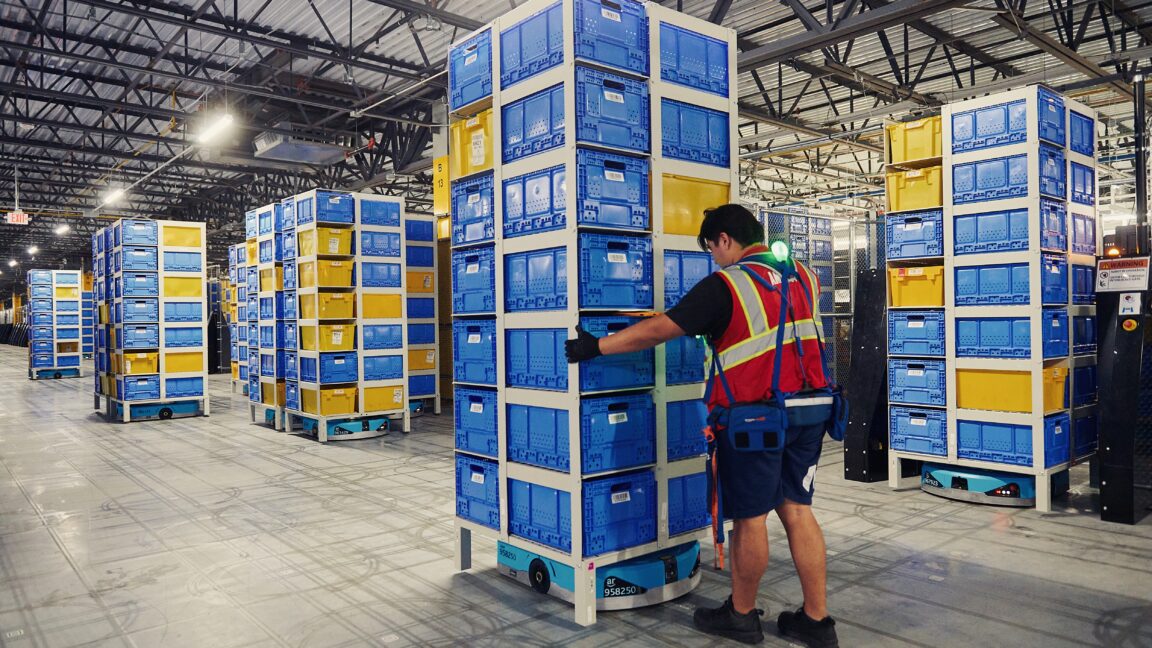
Amazon, the world's largest operator of robots, is set to significantly grow its robotic workforce. The company already utilizes over one million robots in its warehouses, working around the clock to facilitate daily package deliveries. New factories dedicated to producing increasingly capable robots will further expand this fleet in the coming years.
Despite its extensive use of automation, Amazon remains the world's second-largest employer, with more than 1.5 million human workers. Company executives state that the growing robot fleet alleviates the burden on human employees by handling the most physically demanding and injury-prone tasks within fulfillment centers.
However, labor advocacy groups and independent researchers point to potential downsides of this automation. Professor Brian Greenwood from George Mason University notes that while traditional automation often removed high-risk tasks from workers, collaborative robots (cobots) change this dynamic. These robots work in close physical proximity to humans and can dictate work pace, potentially increasing pressure on employees.
Evidence suggests that AI-driven warehouse automation may not be entirely beneficial for human workers collaborating with robots. Amazon's continued investment in robotics intensifies discussions about the evolving division of labor between humans and machines in the logistics sector.