AMRs Not Fully Replacing Conveyors in Warehousing, Hybrid Models Emerging
Autonomous Mobile Robots (AMRs) are gaining traction in warehouses, but traditional conveyor systems remain essential for certain high-volume, stable processes. Hybrid automation solutions are becoming more common.
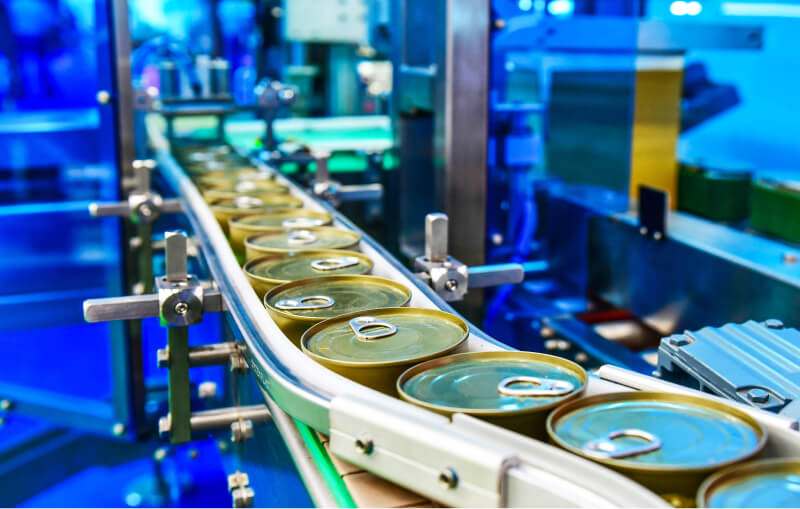
The rise of Autonomous Mobile Robots (AMRs) is a significant shift in warehouse automation, allowing for flexible movement without fixed paths and easy redeployment. This has fueled speculation that robotics will entirely replace fixed automation.
However, the reality is more nuanced. AMRs are taking over tasks from manual handling and some fixed routes, but they are not rendering conveyor systems obsolete. Conveyors continue to be highly effective for high-speed, stable, and repetitive flows, such as parcel sorting, baggage handling, and assembly lines.
The market for automated material handling systems is projected for substantial growth. While robots represent the largest product category share, unit-load systems still dominate system demand. The industry is moving towards hybrid models, where conveyors manage high-volume trunk routes, and AMRs handle flexible transport at the operational edges.
Conveyors excel in environments with stable routes and continuous, high-volume flows. AMRs are designed for variable routes, dynamic zones, and fluctuating order volumes. Warehouse management and execution software are increasingly acting as the connective layer, orchestrating various automation technologies and human labor.