Analysis: Which smart home devices offer genuine return on investment
A recent analysis by Fast Company evaluates smart home hardware based on utility savings and risk prevention, distinguishing between cost-effective upgrades and over-engineered consumer novelties.
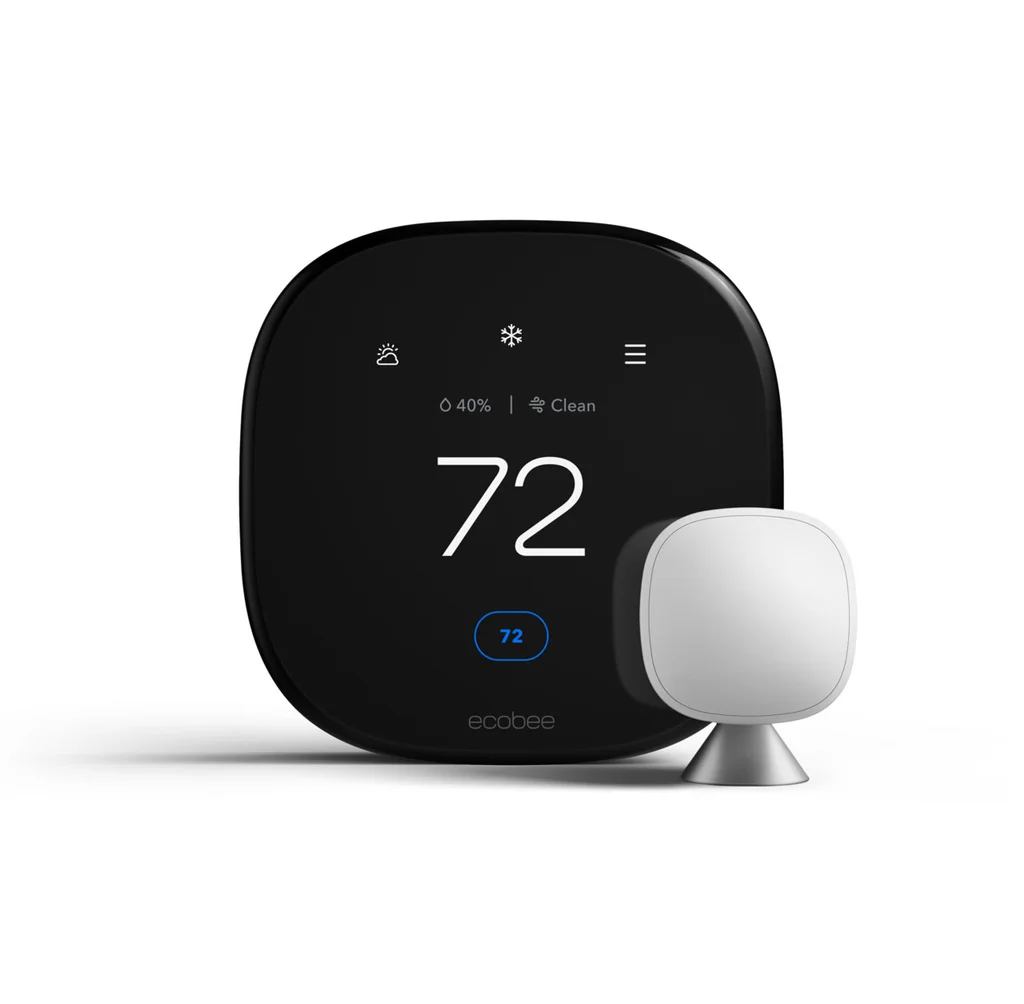
Smart home technology provides clear financial benefits only when devices directly address high energy consumption or mitigate potential property damage, according to a report by Fast Company. Upgrades such as smart thermostats, leak detection sensors, energy-monitoring plugs, intelligent irrigation controllers, and motion-sensing wall switches are identified as tools that can recoup their costs within a few years.
Smart thermostats, for instance, typically lower HVAC expenses by 10% to 15% by adjusting temperatures based on occupancy. Similarly, inexpensive leak sensors provide insurance against water damage—an incident that costs thousands of dollars on average—while also making homeowners eligible for potential insurance policy discounts.
Conversely, the analysis identifies several categories of 'smart' devices that fail to provide a meaningful return on investment. Refrigerators featuring integrated tablets and motorized smart blinds are cited as high-cost items that rarely offset their purchase price through energy efficiency. Furthermore, the short software support lifecycle of appliance-integrated displays often outlives the device’s utility.
The report concludes that consumers should prioritize mechanical reliability and specific energy-saving functions. Heavily marketed smart gadgets, such as connected trash cans or specialized small appliances, are categorized as unnecessary expenses that introduce increased maintenance risks without lowering household utility costs.