Archaeological findings detail iron-smelting techniques in Great Zimbabwe
Recent archaeological investigations into the ancient kingdom of Great Zimbabwe reveal sophisticated iron-smelting furnace designs that functioned without manual bellows.
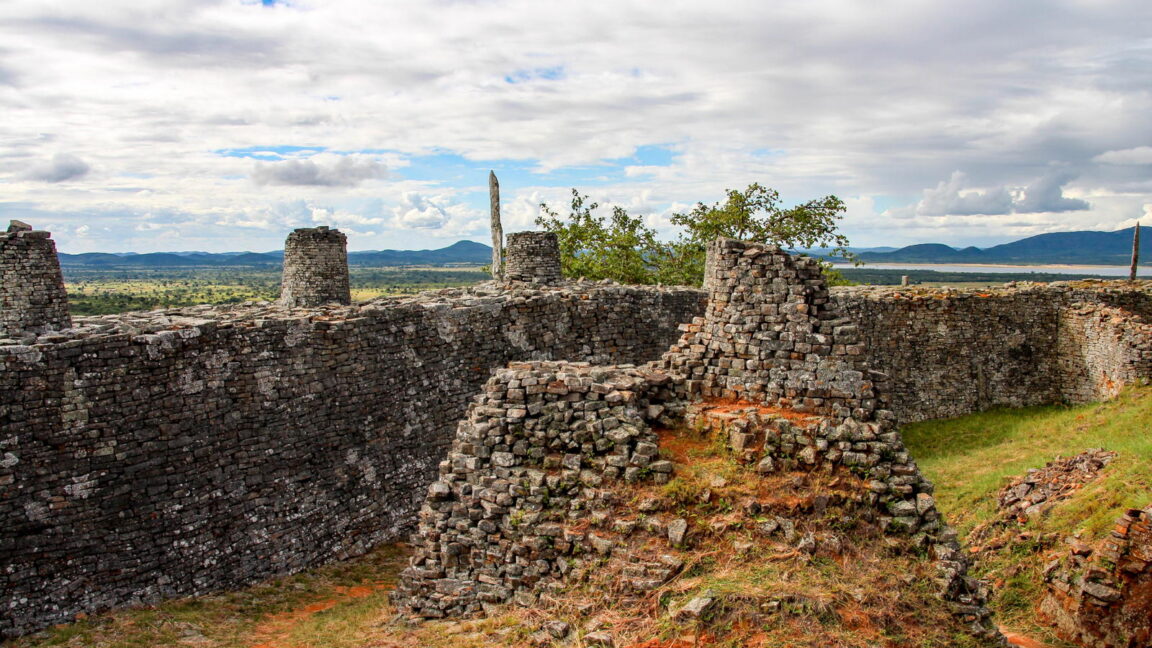
Archaeologists studying sites surrounding the medieval city of Great Zimbabwe have documented the technical proficiency of iron workers who inhabited the region between 1000 and 1700 AD. The findings, located near the stone ruins of the former capital, indicate a high level of metallurgical understanding.
Excavations near the village of Mashava uncovered structural remains of large furnaces capable of reaching temperatures exceeding 2,100 degrees Fahrenheit. The design of these structures marks a departure from traditional bellows-operated systems. Instead, these furnaces utilized a natural draft system, drawing air in and exhausting it through chimneys, effectively automating the oxygen intake process.
This method allowed for more efficient production of iron tools, including hoes, axes, and arrowheads, which were critical to the kingdom's economy. The discovery provides further insight into the industrial capabilities of the Bantu-speaking populations during this period of southern African history.