Architects Develop Custom AI Tools to Leverage Firm Data
Architecture firms are actively building their own AI capabilities to utilize in-house data, as large AI labs are not yet tackling industry-specific challenges.
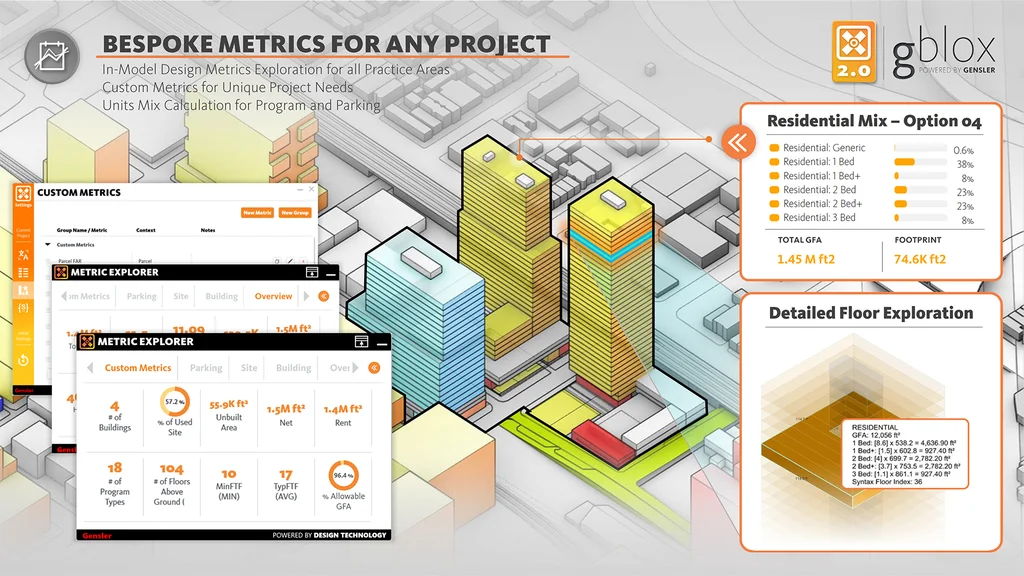
The architecture industry is increasingly developing its own artificial intelligence tools to harness proprietary data, a pursuit largely left to the firms themselves as major AI labs have not yet focused on these complex challenges. Unlike readily available online data used for coding or writing AI models, architectural data resides within individual firms' servers and physical archives, encompassing digital drawings, 3D models, and sketches.
With major AI developers not venturing into this niche, architecture firms are taking the initiative. Many are hiring data scientists and machine learning specialists, running internal AI idea competitions, and creating custom plugins. Some are even developing specialized large language models tailored to generate building forms and floor plans that align with their distinct design styles.
Firms like HWKN and Spectorgroup are at the forefront of this AI adoption. HWKN utilizes AI for tasks ranging from zoning analysis and conceptual design to ensuring building code compliance. Spectorgroup has developed proprietary software add-ons to automate time-consuming aspects of the design process, such as calculating test fit data for office layouts.
Matthias Hollwich, co-founder of HWKN, emphasizes the transformative impact of AI: "Currently, most architects are trying to use AI to optimize the process, or maybe intensify some of their designs. What we have done after these experiments is almost take a step back and say, no, this is actually bigger than just using these tools to come up with a better way to design the buildings." His firm recently won a project in Amsterdam by using AI to analyze potential tenants.
Faizan Zaidi, director of design technology at Spectorgroup, highlights the latent value: "Everyone has their little gold mine they're sitting on, with all this data of past projects they've done. But the question comes down to which firms are willing to build the tools on top of it."