Ars Technica highlights six science stories from July
Ars Technica has released its July roundup of science stories, highlighting six interesting developments that nearly slipped through the cracks. The compilation includes research on cyborg cockroaches, ancient Egyptian princesses, and a discovery related to an Incan sacrificial victim.
Ars Technica has published a summary of six science stories from July that might have otherwise gone unnoticed. The roundup spans a diverse range of scientific fields, offering insights into topics from cybernetic organisms to ancient civilizations.
Among the featured stories is research involving equipping cyborg cockroaches with tiny diving suits for navigating flooded environments. Additionally, confirmation was reported that a Medici duke died of malaria, not poisoning. Another intriguing finding relates to the star Betelgeuse, with mounting evidence suggesting it is orbited by a companion star.
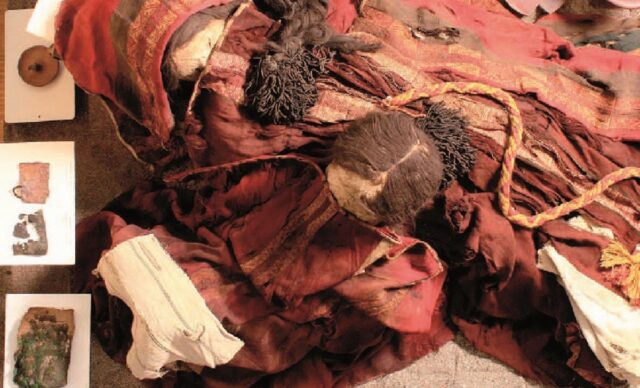
Regarding ancient civilizations, the report notes evidence that some Egyptian princesses were skilled archers. In the context of Incan sacrificial practices, the remains of a boy victim have been re-analyzed. Previously believed to have died from freezing, new research published in Science Advances indicates the cause of death was blunt force trauma.
The study, published in Science Advances, examined the Incan Capachoca ritual, where children were offered to the mountains. While historical accounts describe various methods such as strangulation and asphyxiation, the new analysis confirms that this particular boy died from injuries sustained from blunt force trauma.