Ars Technica Reports on Exoskeleton Use in Rescue Operations
Seattle Mountain Rescue is testing powered assistive devices, or exoskeletons, to enhance rescuer speed and endurance in the US Pacific Northwest.
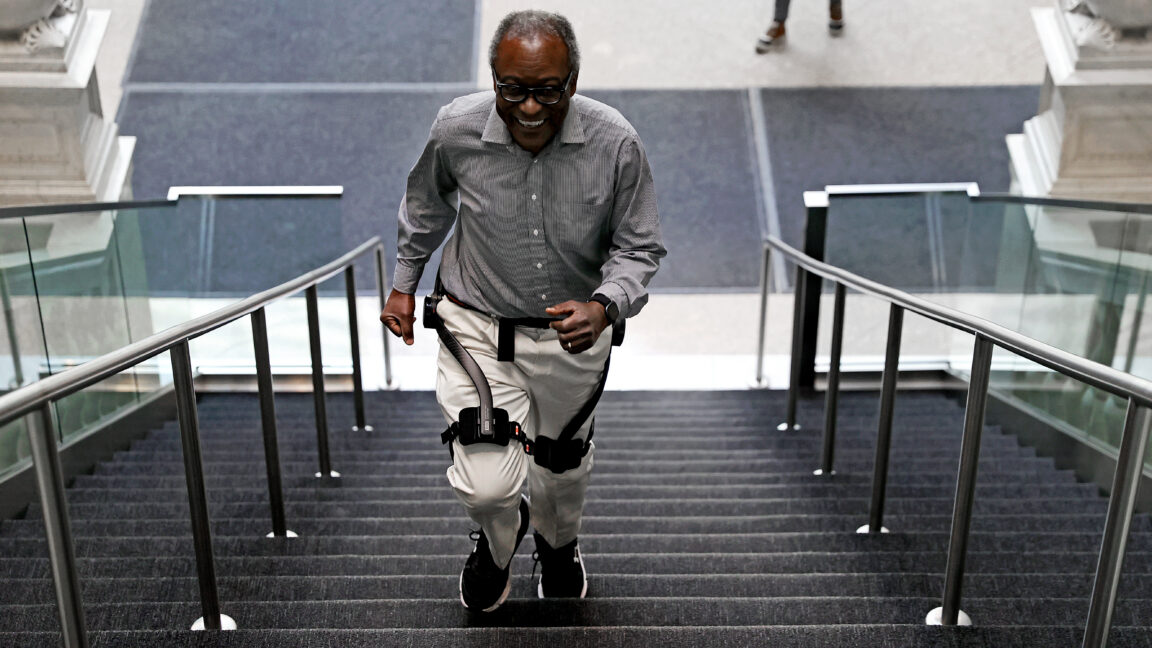
Members of Seattle Mountain Rescue have been deploying into the wilderness of the US Pacific Northwest this year equipped with a notable piece of technology. Rescuers have been hiking with powered assistive devices attached to their hips and legs, designed to increase lower-body strength for climbing and carrying heavy loads.
The primary goal of these tests is to determine if the equipment, known as human exoskeletons, can boost rescuers' speed and endurance during critical search operations for stranded individuals. These devices create an external mechanical structure that augments the wearer's physical capabilities.
Ars Technica's report highlights the potential impact of this technology on rescue missions. While exoskeletons have been in development for some time, with applications emerging in military and industrial sectors, their practical use in emergency response signifies a new frontier.
The outcomes of these trials are being closely monitored, as successful implementation could significantly improve the working conditions for rescue personnel and enhance the overall effectiveness of search and rescue efforts.