Art History Congress Examines Role of Images in Knowledge Formation
Ludwig-Maximilians-Universität Munich will host the 38th German Congress of Art History from February 25-28, focusing on knowledge acquisition in the age of pervasive digital imagery.
Ludwig-Maximilians-Universität (LMU) in Munich is hosting the 38th German Congress of Art History from February 25 to 28. The event's theme, "knowing," will explore the visual understanding of the world in both historical and contemporary dimensions.
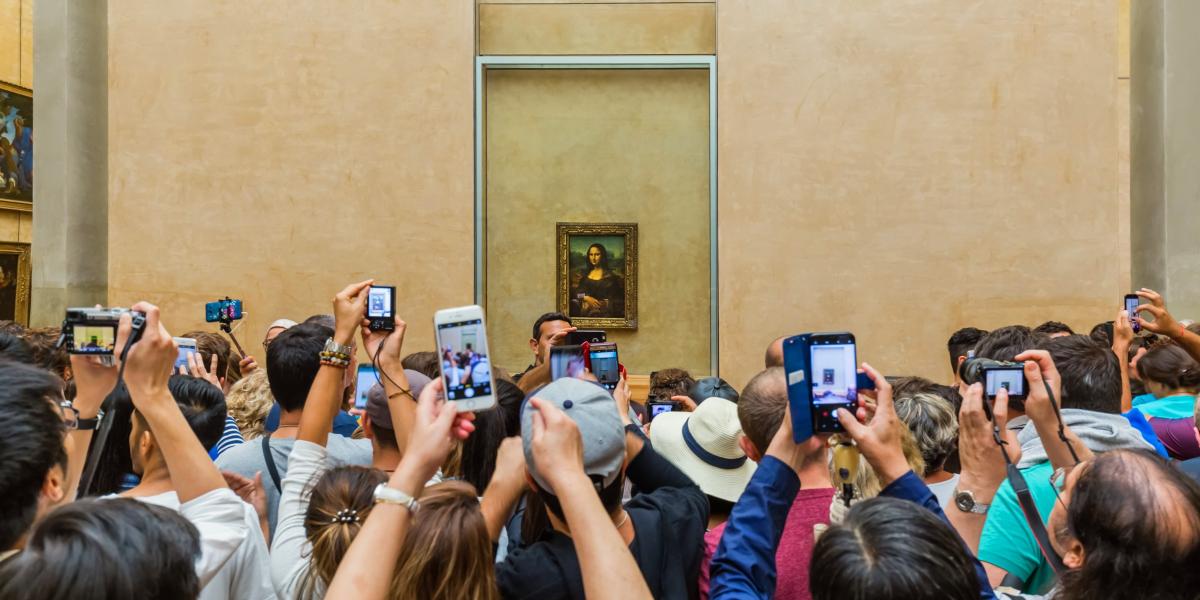
The congress aims to examine how images contribute to the acquisition and dissemination of knowledge in the digital age, characterized by a constant influx of visual content via social media and smartphones. Professor Ulrich Pfisterer, Director of the Central Institute of Art History and a professor at LMU, notes that images increasingly play a dominant role in knowledge transfer, potentially surpassing written text in contemporary society.
Pfisterer highlights the challenges posed by the sheer volume and speed of image production online. Artists face intense global competition, making it difficult to create novel works. He also points to technological advancements, such as AI-generated imagery, which raise questions about authenticity and reliability in visual media. The congress will delve into these issues concerning art and visual culture.
Understanding that visually mediated knowledge is culturally conditioned is crucial, as interpretations can vary significantly across contexts. Pfisterer emphasizes the need for art historians to clarify these underlying cultural factors to grasp the true meaning of images. The congress provides a platform for in-depth discussions on these complex aspects of art history and visual perception.