Arthur Ashe Stadium's Noise Sparks Debate at US Open
The loud atmosphere at Arthur Ashe Stadium, the main venue for the US Open, is drawing comparisons to quieter tennis events. Fans and experts are discussing the causes of the noise and its impact on the traditional sporting experience.
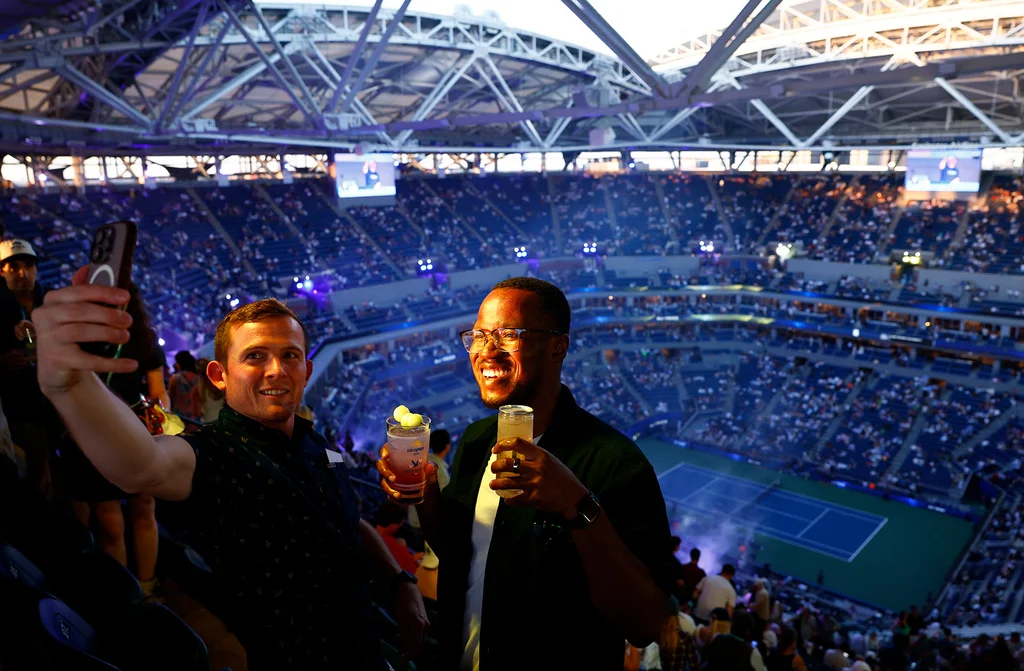
Arthur Ashe Stadium, the main venue for the US Open Grand Slam tournament, is generating discussion due to its unusually high noise levels. While other tennis tournaments, like Wimbledon and Roland Garros, are known for their hushed and focused atmospheres, the US Open's main stadium features considerable crowd chatter, camera flashes, and general hubbub that disrupts play.
The stadium's sheer size and capacity significantly influence how sound travels. Arthur Ashe, with seating for over 23,000 spectators, is the largest Grand Slam stadium globally. This scale, combined with steep seating, contributes to longer reverberation times. Acoustics experts suggest the stadium's structure itself isn't the primary issue, but rather audience behavior and expectations.
Traditionally, tennis matches are watched in near silence. However, contemporary audiences, particularly in the United States, are accustomed to more boisterous sporting events. This clash is evident at Arthur Ashe Stadium, where spectators engage in conversations and pose for photographs during play, even during serves. Players have also voiced their frustration with the disruptions.
Other Grand Slam tournaments are beginning to address the issue. Wimbledon, for instance, will no longer permit ring lights or accredit influencers starting next year. Experts, however, emphasize that simply banning disruptive behavior may not be an effective long-term solution. They advocate for evolving stadium designs to better accommodate modern audience needs, providing spaces for fans to have socially engaging moments without interfering with the sport.
Future stadium designs may incorporate dedicated zones for social media-friendly photo opportunities and interaction, thereby minimizing disruptions near the playing area. The goal is to strike a balance between traditional sports etiquette and the contemporary fan experience.