As Electric Vehicles Become Common, Focus Shifts to Better Transport Systems
Europe has spent over a decade accelerating its transition to electric mobility. Now that EVs are a daily reality, the conversation is shifting to how to build a better, more user-centric transport system.
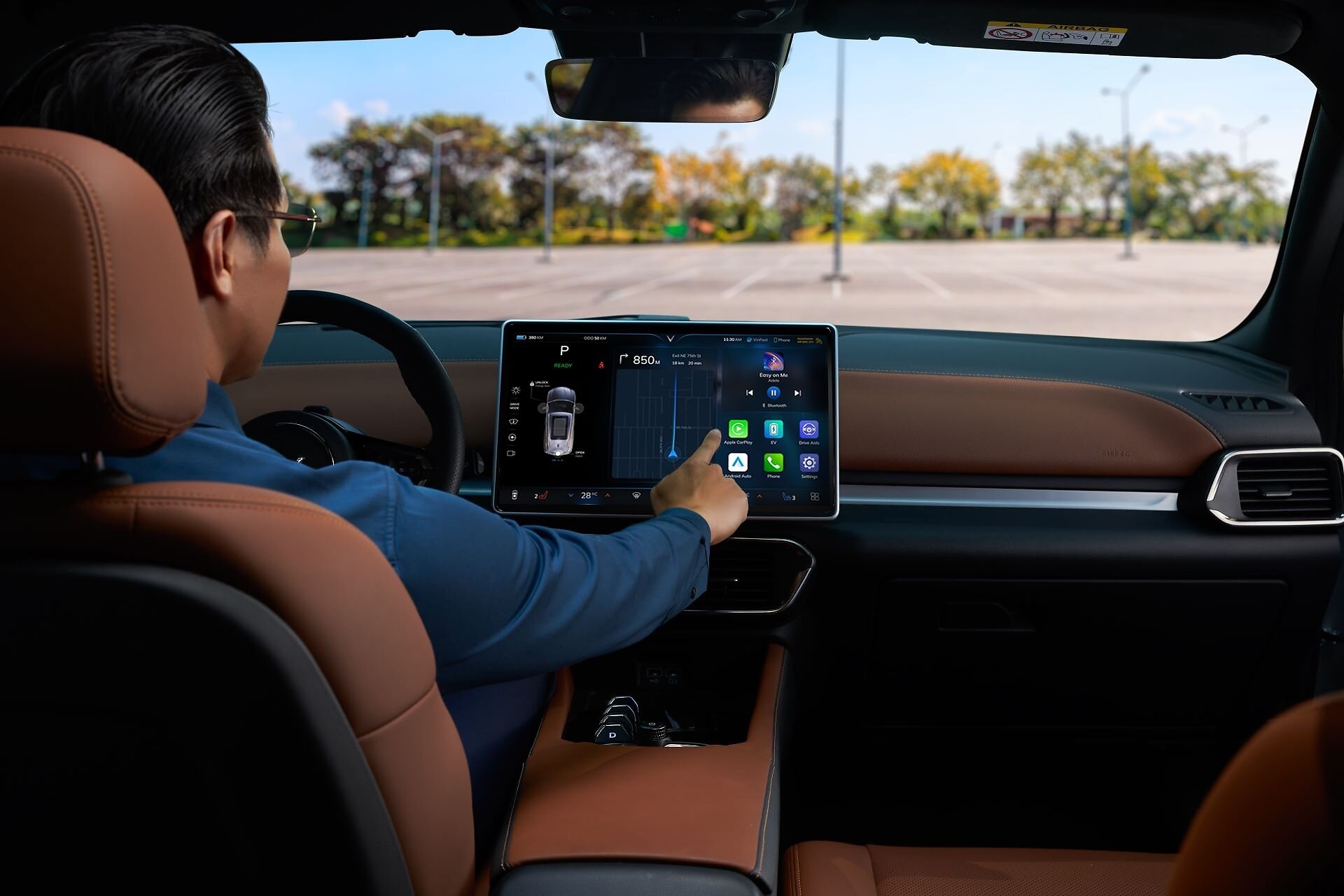
Europe has established itself as a global leader in sustainable mobility over the past decade, evidenced by the increasing prevalence of electric vehicles (EVs). Investments in charging infrastructure and urban planning prioritizing public transport, cycling, and pedestrian zones have significantly contributed to the European Union's climate objectives.
As electrification matures, the discourse is moving beyond emissions reduction. The initial challenge of replacing internal combustion engines with zero-emission alternatives has advanced to a new stage. The current, more complex task is to create a transport system that is not only cleaner but also more efficient, accessible, and better integrated into citizens' daily lives.
This evolution is reflected in the European Commission's new urban mobility framework, which equally emphasizes accessibility, inclusion, safety, and quality of life alongside decarbonization. Sustainable mobility is increasingly measured by the quality of the transport system itself and its societal value, not just the number of EVs or carbon emissions avoided.
With battery electric vehicles (BEVs) accounting for 17.4% of new passenger car registrations in the EU in 2025, and Europe recognized as a leading global EV market by the IEA, electrification is becoming a foundational element. Competitive advantage is shifting from the vehicle itself to the overall mobility experience, focusing on convenience, reliability, and seamless integration of different transport modes.