Atlassian CEO: Uniform AI goals hurt ROI
Atlassian CEO Mike Cannon-Brookes warns against setting uniform goals for AI teams. Different job constraints require tailored strategies to maximize return on investment.
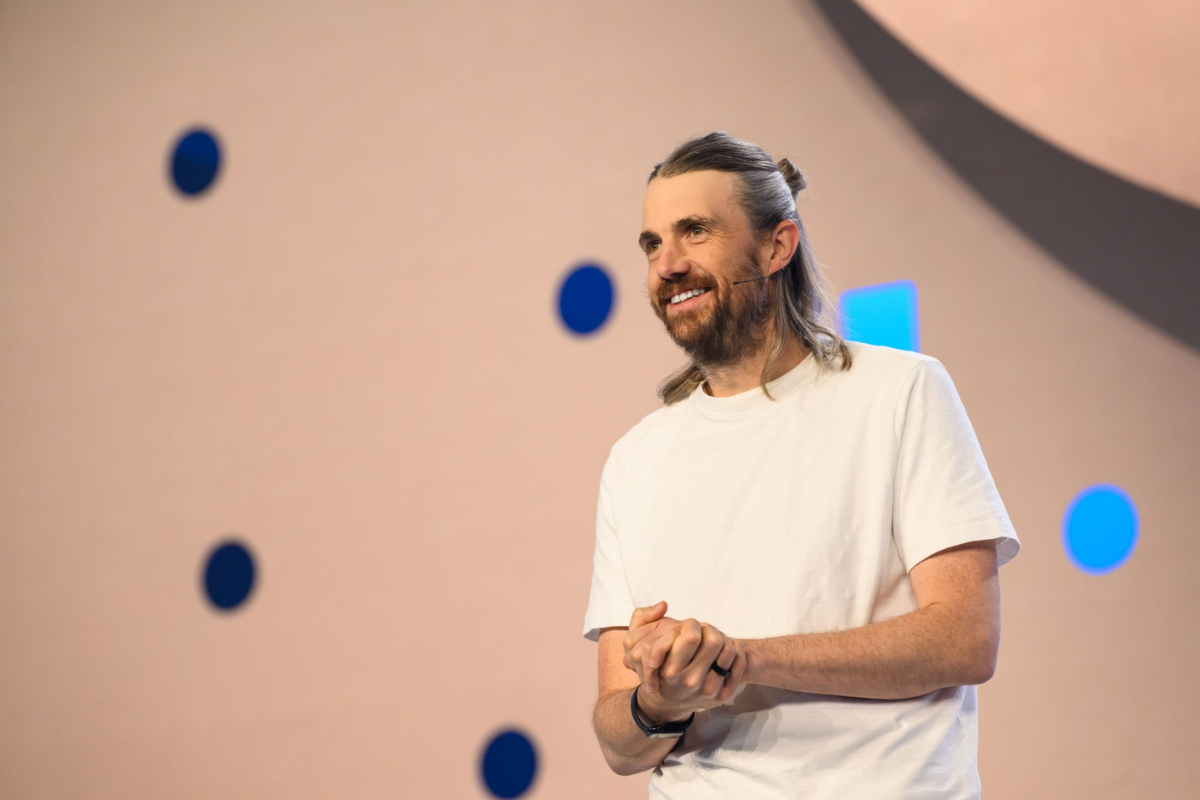
Atlassian CEO Mike Cannon-Brookes has cautioned against applying uniform goals to all AI teams within a company, stating that such an approach can hinder productivity and growth. He emphasizes the need for leadership to differentiate strategies based on the specific constraints and potential of various work units.
AI can lead to a reduction in administrative departments while simultaneously providing creative teams with significantly more capacity. Cannon-Brookes argues that leaders should not treat all types of work the same. Executives need to reassess skill requirements, transform expert knowledge into shared systems, and utilize clear visual tools for the safe management of automated tasks.
AI disrupts traditional workforce capacity calculations. Cannon-Brookes distinguishes between "input-bound" and "output-bound" jobs. The former, such as legal departments, may not see a direct increase in revenue despite faster processing. However, the latter, like engineering and product teams, can leverage freed-up time to explore new ideas and pursue profitable projects previously deemed too costly.
These shifts also necessitate a redefinition of specialist roles. Experts should focus on creating standards and templates that can be safely followed by the broader workforce. Middle management is expected to transition from administrative tasks to coaching staff and prioritizing complex projects. Software solutions must be interoperable and offer clear visual interfaces to maintain user engagement.
Companies should map these operational limitations and potentials for effective AI integration. The goal is to enhance innovation in output-bound teams and build scalable interfaces that keep leadership engaged, while avoiding simple headcount reductions and transforming software into a growth engine.