AT&T CEO Questions Elon Musk's Starlink Mobile Phone Plans
AT&T CEO John Stankey has expressed doubts about Elon Musk's plan to expand Starlink satellite internet into a direct mobile phone service. Stankey draws a parallel to BlackBerry's past strategic decisions.
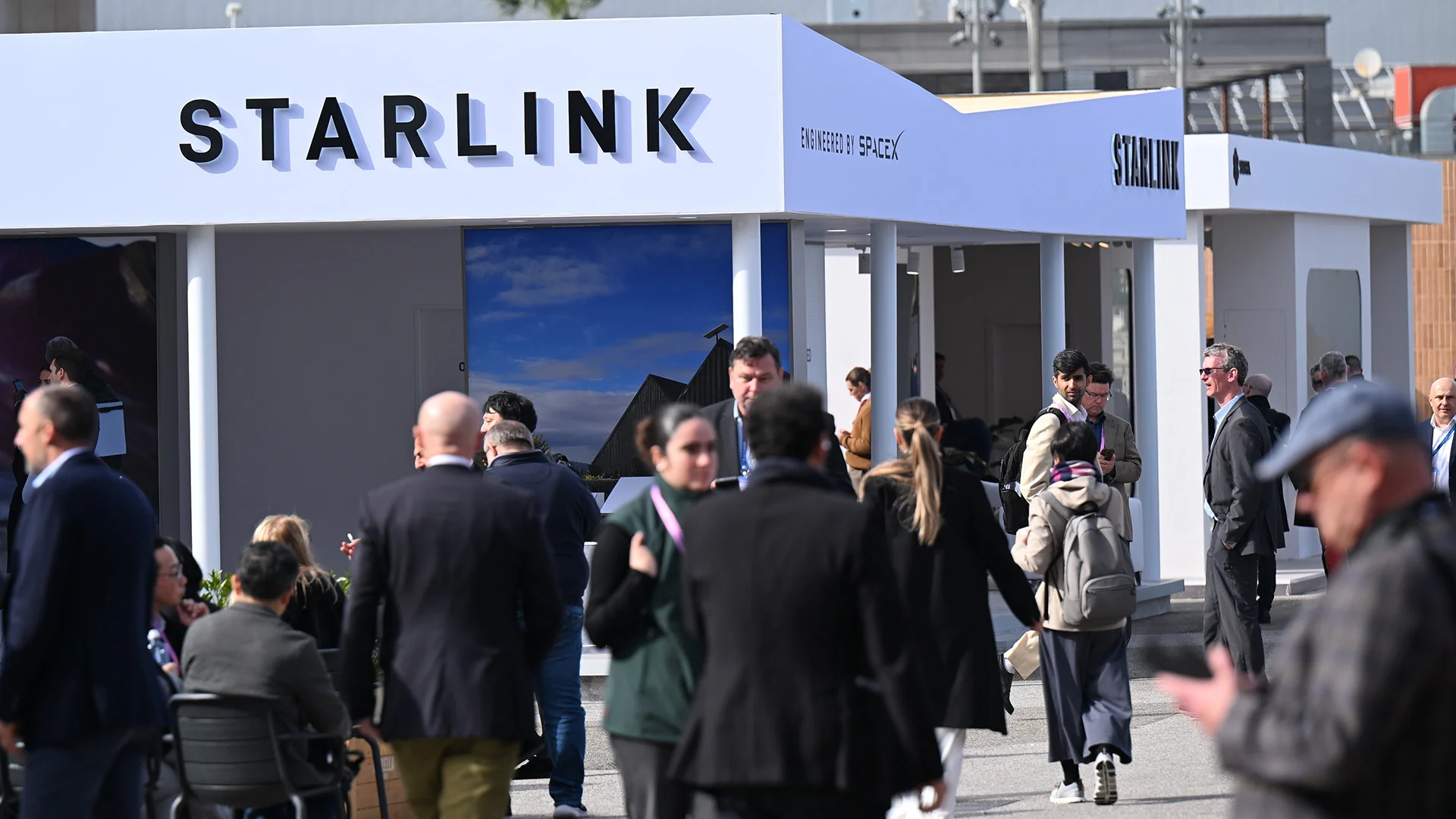
AT&T CEO John Stankey has voiced skepticism regarding Elon Musk's ambitions to extend Starlink's satellite internet service into a direct mobile phone provider in the United States. In an interview with Axios, Stankey argued that SpaceX's plan is not feasible with existing technologies, particularly fiber optics.
Stankey reinforced his stance by highlighting the superiority of fiber optic networks, referencing AT&T's recent $3 billion deal with glass manufacturer Corning. He contended that SpaceX's satellite-based approach cannot compete effectively against established carriers relying on traditional infrastructure.
SpaceX's proposed model involves integrating small cell base stations with existing Starlink antennas to enable direct-to-phone connectivity without extensive terrestrial network build-out. Elon Musk has previously suggested that the satellite network could offer superior bandwidth compared to current mobile providers.
However, Stankey dismissed the concept due to perceived economic and technical hurdles. He estimated that building such a network would be as costly as establishing a conventional mobile network. Additionally, he cited potential legal and regulatory challenges related to broadcasting signals from private properties without consent.
Critics might suggest Stankey is exhibiting "not invented here" syndrome, a bias against external ideas, and potentially falling prey to the sunk cost fallacy. The article draws a parallel to BlackBerry's situation in 2007, when the company underestimated Apple's iPhone, which ultimately impacted BlackBerry's market position.